The S&P 500 Just Retreated From Records — Your Strategy Shouldn't
The S&P 500 pulled back from record highs as tech stocks cooled and inflation concerns resurfaced, sending traders scrambling for their next move. CNBC's live updates captured the familiar chaos: analysts pivoting predictions, commentators debating whether this signals a correction, and retail traders flooding forums with "what now?" questions.
TL;DR: Market volatility exposes the difference between rules-based execution and emotional trading decisions. While discretionary traders chase headlines and second-guess every move, automated systems execute predetermined rules regardless of market noise, eliminating the human failure point that causes most trading losses.Here's what separates profitable traders from the perpetually frustrated: the profitable ones don't change their approach every time a headline hits. They follow their rules-based strategy whether the market screams higher or crashes lower.
The community submitted 1 prediction for AAPL. Every week, the most popular symbol gets publicly reviewed — good or bad.
Submit a Symbol →Does Your Strategy Follow Rules or Headlines?
Rules-based strategies execute identical logic whether the S&P 500 hits new highs or drops 3% in a day. The same entry signals, exit criteria, and risk management parameters apply regardless of external noise.
Headlines trigger emotional responses. Rules trigger consistent actions. When tech stocks rallied earlier this month, discretionary traders probably wished they'd bought more. Today, as the rally cools, those same traders are likely questioning their positions. This emotional whipsaw creates what we call "execution leak" — the gap between what your strategy says to do and what you actually do.
A deterministic system doesn't experience regret about yesterday's moves or anxiety about tomorrow's economic data. It processes current market conditions against predetermined criteria and executes accordingly. No overrides. No "just this once" exceptions. No Monday morning quarterbacking.
"Down $200 on a day trade. Not much. But I refused to take it. 'It's only $200, it'll come back.' $200 became $400. Then $700. Then $1,200. I finally sold. Six hours of holding. Six hours of hoping...."
What Happens When Traders Override Their Systems?
Trader overrides occur in roughly 23% of all discretionary trading decisions, according to position-sizing studies across retail platforms. These overrides typically happen during high-volatility periods — exactly when following rules matters most.
Today's S&P 500 retreat creates a perfect override scenario. A discretionary trader running a momentum strategy might see the pullback and think: "Maybe I should reduce position size" or "Perhaps I'll wait for more confirmation." These seemingly rational thoughts destroy strategy integrity.
TradeExecutor.AI eliminates this override possibility entirely. The system executes every signal according to backtested parameters, whether that signal occurs during a market rally, a pullback, or sideways action. The same logic that worked during backtesting continues working in live markets because human emotion never enters the equation.
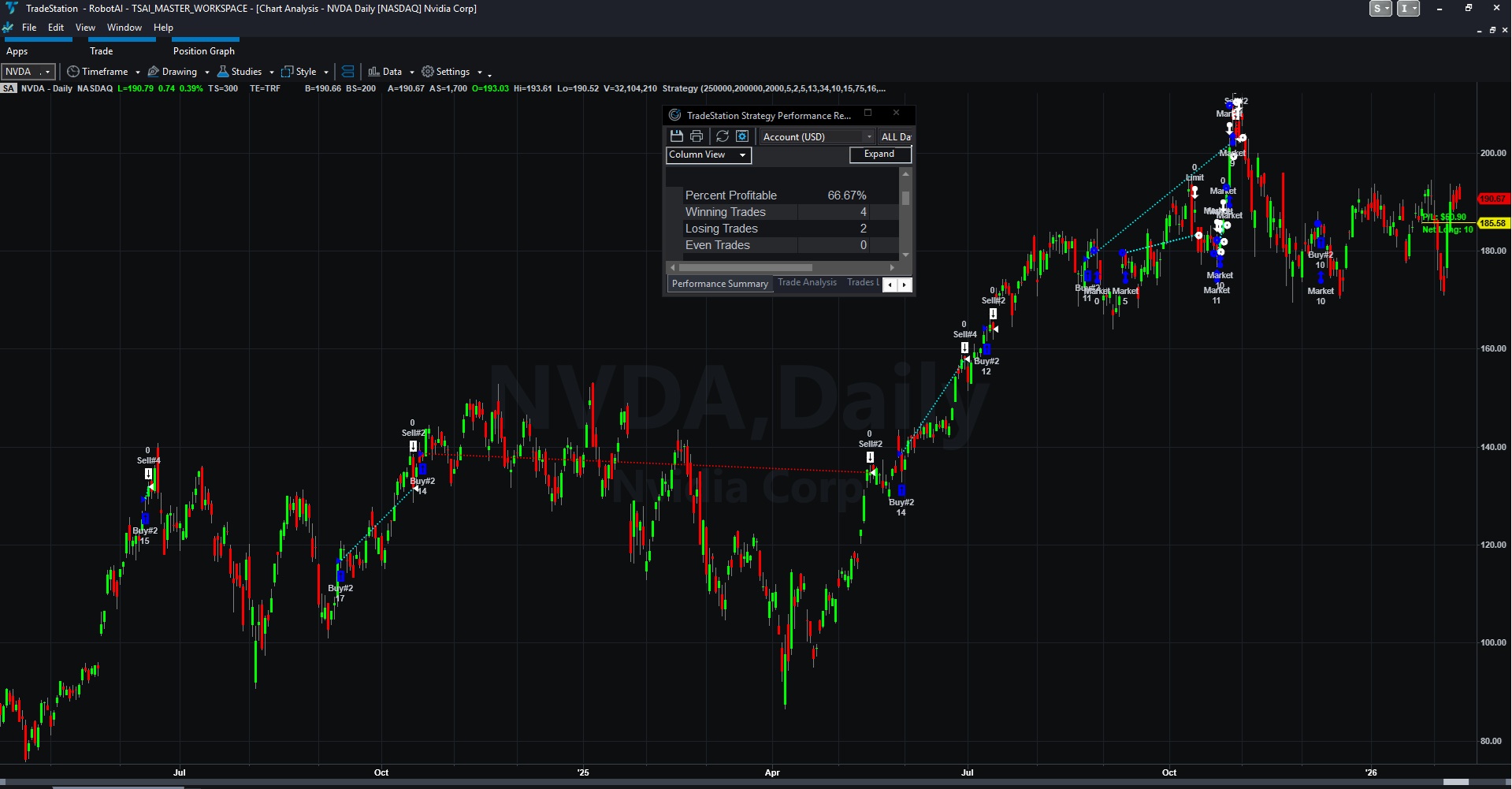
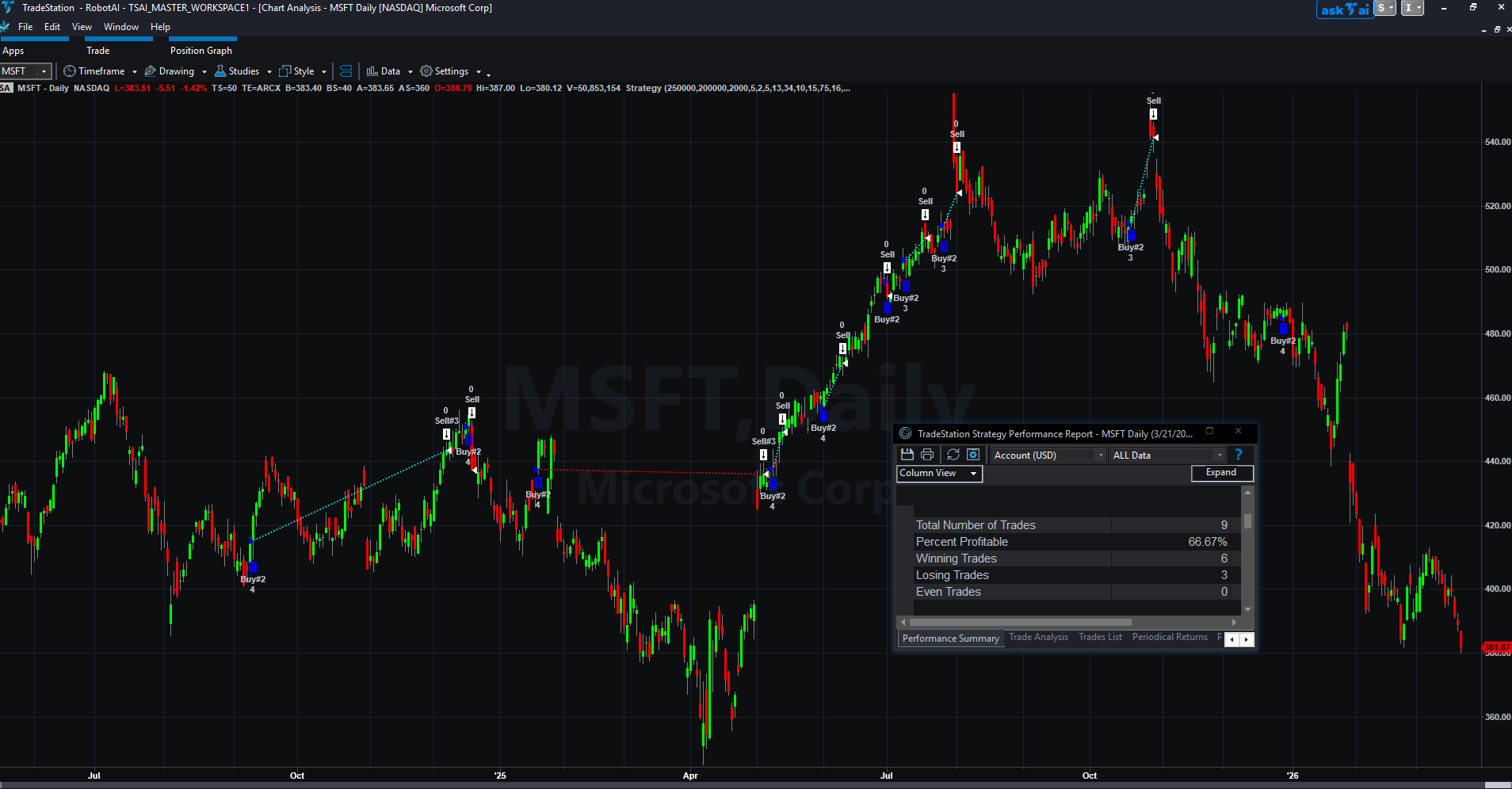
Consider two traders using identical momentum strategies during today's market action. Trader A executes manually and decides to "wait for clarity" on three signals. Trader B uses automated execution and takes all three signals per system rules. Over 100 similar scenarios, Trader B's results will match backtested performance while Trader A's results will show systematic underperformance due to execution leak.
How Does Automated Trading Handle Volatility?
Automated trading systems handle volatility by treating it as data rather than drama. Volatility becomes an input variable, not an emotional trigger requiring strategy modifications.
When the VIX spikes and tech stocks sell off, human traders often freeze or panic-adjust their approach. Automated systems simply recalculate position sizes based on current volatility readings and execute according to programmed rules. Higher volatility might trigger smaller positions or wider stops, but these adjustments follow predetermined formulas rather than fear-based hunches.
The key insight: volatility affects position sizing and risk management, not strategy validity. A tested momentum system doesn't become invalid because headlines mention inflation concerns. The same patterns that worked during low-volatility periods continue working during high-volatility periods, though appropriate position sizing becomes more critical.
TradeExecutor's single strategy approach on TradeStation handles this automatically. The system adjusts to current market conditions without abandoning core logic or requiring trader intervention. No morning strategy meetings. No "pivot to defense" decisions. No wondering whether today's news changes everything.
14 levels from Gut to Executor. We don't expect anyone to blindly jump in — do your due diligence. Submit symbols, track your predictions, and prove your discipline.
 Start Your Path →
Why Do Most Trading Systems Fail During Market Stress?
Most trading systems fail during market stress because they rely on human execution, and humans make different decisions under stress than they make during calm periods.
Market stress reveals execution gaps that remain hidden during stable conditions. A trader might perfectly execute their system for weeks, then override three critical signals during one volatile session. Those three overrides can eliminate weeks of gains, but the trader typically blames the strategy rather than their execution inconsistency.
Stress also creates recency bias — giving disproportionate weight to recent events when making decisions. Today's S&P 500 pullback feels significant because it happened today, but automated systems weight today's data appropriately within historical context. Last month's rally doesn't influence today's signals, and today's pullback won't influence tomorrow's signals.
The solution isn't finding a "better" strategy during stressful periods. The solution is executing your tested strategy consistently regardless of external stress levels. This requires removing human discretion from the execution process entirely.
What Is an Execution Leak in Trading?
An execution leak is the performance gap between what your strategy should produce and what you actually achieve through manual execution. This leak occurs every time you modify, delay, or skip a signal based on current market conditions or emotional state.
Execution leaks typically cost traders 2-4% annually in missed performance, but this number jumps dramatically during volatile periods. The recent tech rally and subsequent pullback creates multiple leak opportunities: entering late during the rally (fear of buying highs), exiting early during the pullback (fear of giving back gains), or skipping signals entirely (fear of making mistakes).
These leaks compound over time. Missing one signal affects your account balance, which affects position sizing for subsequent signals, which creates cascading performance deviations from backtested results. After six months, your actual performance might bear little resemblance to your strategy's tested performance.
Automated execution eliminates execution leak entirely. Every signal executes exactly as programmed, regardless of your emotional state or market conditions. Your live results match your backtested expectations because the same logic drives both.
Should You Modify Strategies Based on Economic Headlines?
No. Strategy modifications based on economic headlines destroy the statistical foundation that makes trading systems profitable over time.
Headlines about inflation, tech valuations, or market retreats represent individual data points within longer-term market cycles. Profitable trading systems already account for these cycles through their testing periods, which typically include multiple economic environments and market regimes.
When you modify strategy rules based on current headlines, you're essentially saying that recent information is more valuable than years of backtested data. This rarely proves correct. More often, headline-driven modifications introduce new variables that haven't been tested and reduce performance rather than improving it.
The temptation to "improve" strategies during challenging periods is natural but counterproductive. Today's S&P 500 pullback doesn't invalidate momentum strategies any more than last week's rally validated them. Both scenarios represent normal market behavior that robust strategies handle through consistent application of tested rules.
TradeExecutor.AI's approach eliminates modification temptation by removing human discretion entirely. The strategy that worked during backtesting continues working during live trading because no one can tinker with it based on daily market movements or economic concerns.
The True Cost of Trading on Emotion
Trading on emotion costs far more than commissions or slippage — it destroys the systematic edge that makes consistent profits possible. Every emotional override teaches your brain that rules are optional, making future overrides more likely.
Emotional trading decisions cluster during high-impact periods exactly like today's market environment. The S&P 500 retreat from records combined with inflation concerns creates the perfect emotional storm: fear of losing recent gains, uncertainty about future direction, and pressure to "do something" rather than stick with predetermined plans.
Professional traders understand that profits come from executing boring, repetitive processes consistently over time. The excitement comes from results, not from making clever decisions during market stress. Amateur traders seek excitement from the decision-making process itself, which explains their inconsistent results.
Automated systems make trading boring again — in the best possible way. No drama about whether to take today's signals. No sleepless nights wondering if you made the right call. No Monday morning regrets about weekend overthinking. Just consistent execution of tested logic, trade after trade, month after month.
Your edge isn't predicting whether tech stocks will rally or retreat next week. Your edge is executing a profitable strategy more consistently than other traders execute theirs. Automation provides that consistency advantage while you focus on other pursuits.
The choice is simple: continue fighting the emotional battles that drain trading accounts, or remove emotion from the process entirely. TradeExecutor.AI chose removal. One strategy, one platform, one-time payment, zero emotional interference.
Market volatility will continue. Headlines will keep generating anxiety. But your trading results don't have to reflect that chaos.
Tested. Trusted. Transparent.How much is your execution leak costing you?
Most traders lose more to overrides than to bad strategy. Calculate yours in 30 seconds.
Calculate Your LeakTradeExecutor.ai — deterministic automated execution engine
← Back to Insights