Tech Surge Highlights Trading's Biggest Problem: Do You Follow Rules or Hype?
The Nasdaq just climbed 8% in May, with tech stocks once again dominating headlines and portfolios. Friday's gains capped off another month where artificial intelligence buzz drove market sentiment and trading decisions across Wall Street.
TL;DR: Market hype creates execution chaos. Rules-based systems execute the same strategy whether the Nasdaq is up 8% or down 8%. Your emotions change with the headlines—automated execution doesn't.This tech rally exposes the fundamental divide in trading approaches. One camp chases momentum, adjusts positions based on headlines, and second-guesses every signal. The other follows predetermined rules regardless of market noise. The difference isn't just philosophical—it's measurable in your account balance.
The community submitted 1 prediction for AAPL. Every week, the most popular symbol gets publicly reviewed — good or bad.
Submit a Symbol →Does Market Hype Change Your Trading Rules?
Market hype shouldn't alter your trading rules, but it almost always does. During tech rallies like May's Nasdaq surge, discretionary traders typically abandon their original strategy to chase momentum. They increase position sizes, ignore stop losses, or pivot entirely to hot sectors.
A rules-based strategy operates differently. The same entry conditions, exit rules, and position sizing apply whether artificial intelligence stocks are soaring or crashing. The system doesn't read CNBC headlines or adjust for "this time is different" market conditions. Rules remain constant because markets are cyclical, not revolutionary.
Consider what happened during discretionary trading sessions this past month. Traders saw AI momentum and made emotional adjustments: holding winners too long, cutting losses too early, or abandoning proven setups for trending stocks. Each override created what we call an execution leak—the gap between your strategy's intended performance and actual results.
"Down $200 on a day trade. Not much. But I refused to take it. 'It's only $200, it'll come back.' $200 became $400. Then $700. Then $1,200. I finally sold. Six hours of holding. Six hours of hoping...."
What Happens When Automated Trading Meets Market Volatility?
Automated trading systems execute identical responses to volatility regardless of market direction or media coverage. When the Nasdaq experiences 2% daily swings, automated systems don't panic, celebrate, or adjust their fundamental approach. They process predetermined criteria and execute accordingly.
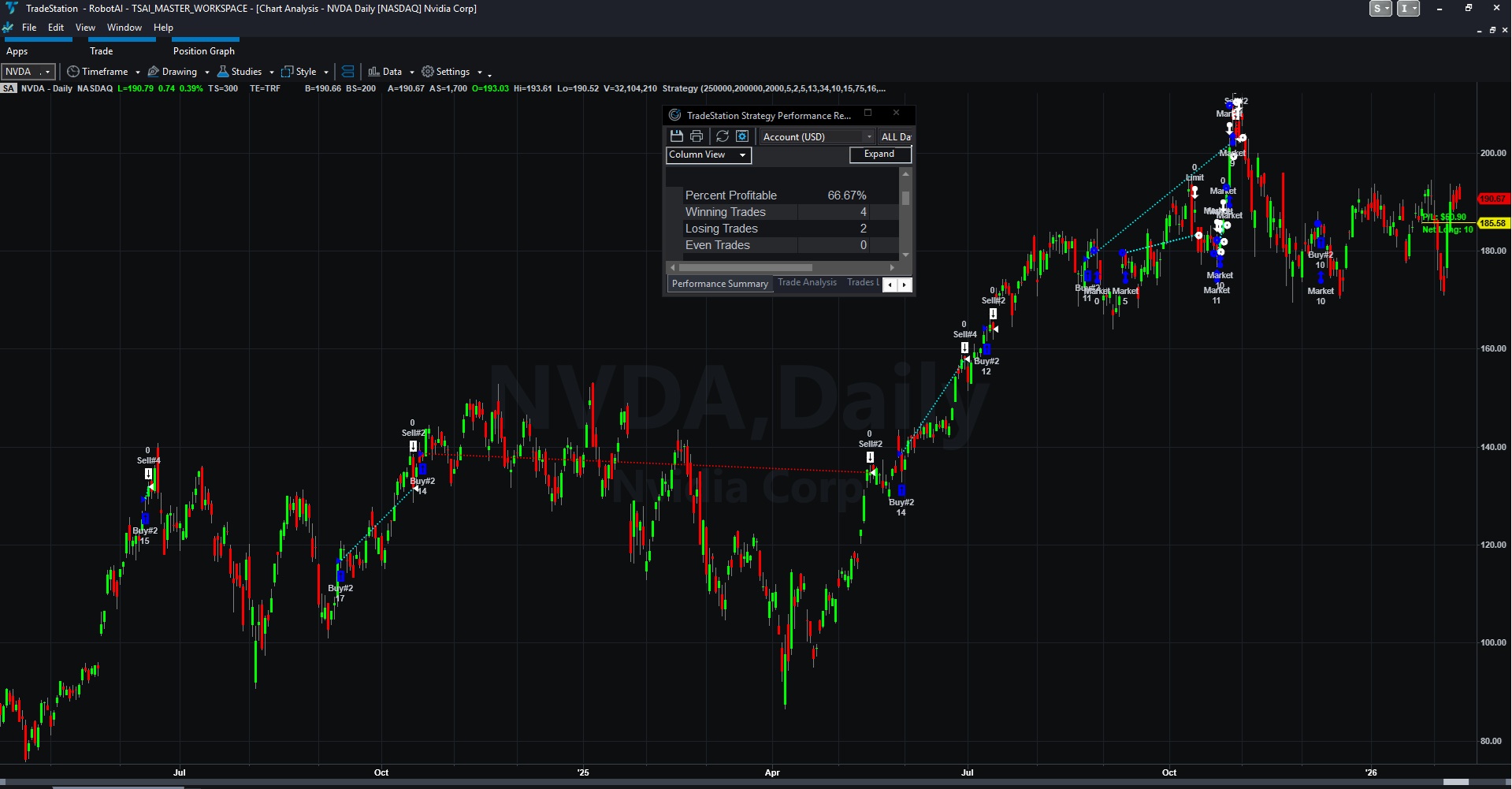
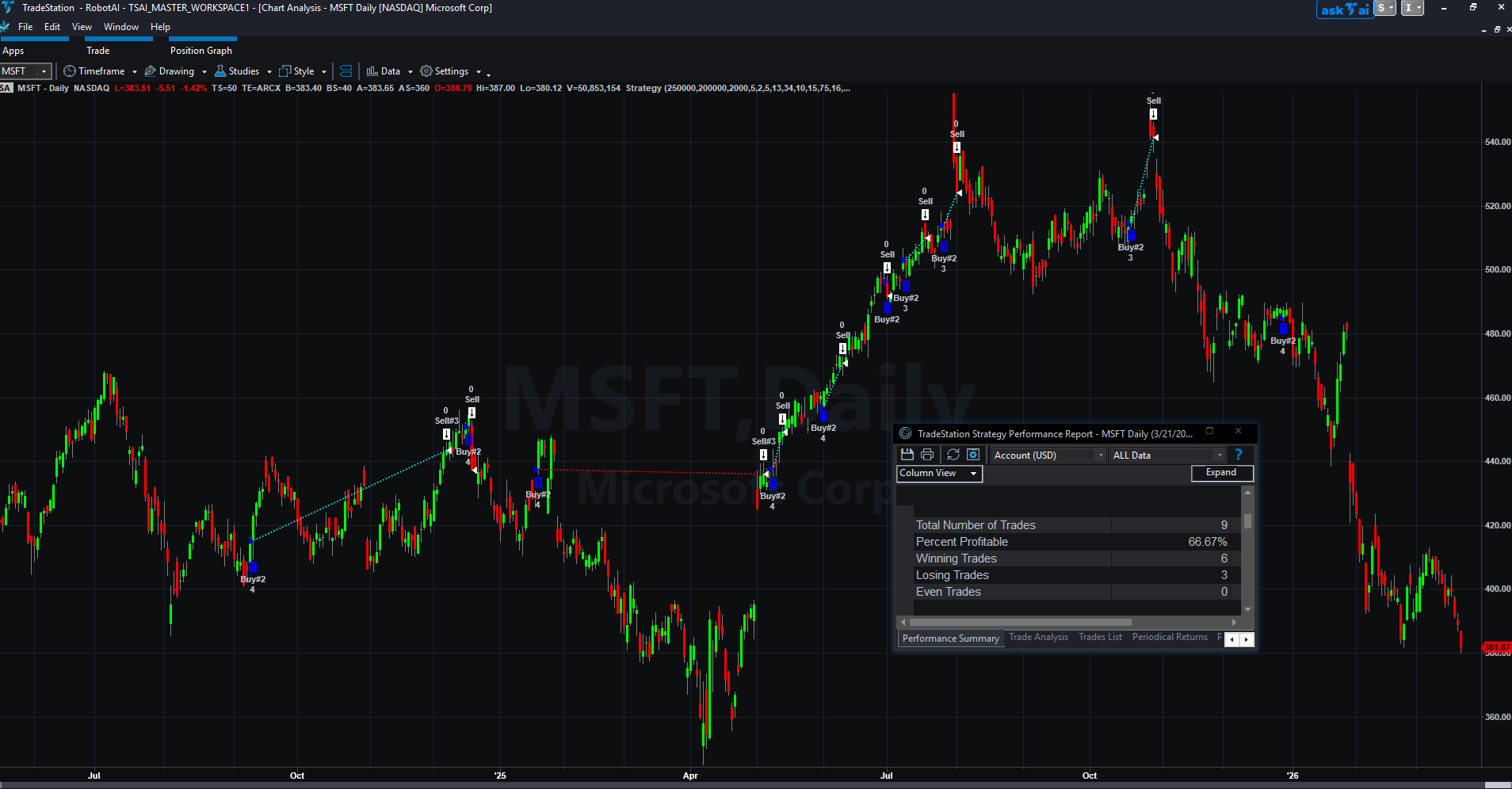
TradeExecutor.AI demonstrates this principle through deterministic execution. The same technical setup triggers the same position size and exit strategy whether it occurs during a tech rally or market correction. Human traders struggle with this consistency because emotions intensify during volatile periods.
During May's tech surge, automated systems maintained discipline that discretionary traders couldn't match. While humans chased breakouts beyond their risk parameters or held positions past exit signals, automated execution followed rules without deviation. The result: consistent implementation of tested strategies rather than improvised responses to market excitement.
How Does Rules-Based Execution Handle FOMO Trading?
Rules-based execution eliminates FOMO trading by removing human decision-making from the execution process. When artificial intelligence stocks surge 15% in a day, systematic trading doesn't suddenly increase position sizes or abandon stop losses to capture more upside. The rules remain unchanged.
FOMO typically manifests in three ways: increasing risk beyond predetermined levels, holding winners past exit signals, and entering trades that don't meet setup criteria. Each behavior violates the original strategy and creates performance gaps between backtested results and live trading.
Automated systems can't experience fear of missing out because they don't process emotional responses to market movements. TradeExecutor's approach ensures that every trade execution matches the strategy's original parameters. This consistency matters more during trending markets when human traders are most tempted to override their rules.
Why Do Traders Override Their Own Strategies?
Traders override their strategies because emotions intensify during extreme market movements, making rule adherence feel counterintuitive. During tech rallies like May's Nasdaq performance, following exit signals while stocks continue rising contradicts every human instinct about maximizing profits.
The override impulse strengthens when media coverage reinforces market momentum. Headlines about artificial intelligence breakthroughs and 8% monthly gains create psychological pressure to abandon conservative position sizing or ignore predetermined exit points. Traders convince themselves that current conditions justify rule modifications.
This behavior persists despite evidence showing that strategy overrides typically reduce performance. Backtested results assume consistent rule implementation—every deviation from those rules moves live performance away from tested outcomes. The solution isn't better discipline but removing the human decision point entirely through automated execution.
What Is an Execution Leak in Trading Strategy?
An execution leak is the performance gap between your strategy's backtested results and actual trading outcomes caused by human implementation errors. These leaks occur every time you adjust position sizes, delay entries, hold past exit signals, or skip trades that meet your criteria.
During trending markets, execution leaks expand dramatically. May's tech rally created numerous leak opportunities: traders increasing position sizes beyond their risk parameters, holding winners past predetermined exits, or entering trades that didn't meet original setup requirements. Each override wiped away portions of the strategy's edge.
Quantifying execution leaks requires comparing intended trades with actual executions. Most traders discover that their live results significantly underperform their paper trading or backtested strategies. The difference isn't market conditions or bad luck—it's systematic implementation failure that compounds over time.
How Does TradeExecutor.AI Prevent Strategy Drift?
TradeExecutor.AI prevents strategy drift by executing identical rules for every trade without human intervention or emotional overrides. The system doesn't adjust for market conditions, trending sectors, or news headlines that might tempt discretionary traders to modify their approach.
Strategy drift occurs gradually as traders make small adjustments that seem logical during specific market conditions. A tech rally convinces them to hold positions longer. A correction leads to tighter stops. Each modification moves the live strategy further from its tested parameters until performance bears no resemblance to original results.
Automated execution maintains strategy integrity through deterministic responses to market data. The same entry conditions, position sizing, and exit rules apply during the Nasdaq's 8% monthly gain or potential future corrections. This consistency ensures that live performance matches backtested expectations rather than degrading through accumulated human interference.
The TradeExecutor approach recognizes that markets are cyclical, but human behavior during those cycles creates predictable execution errors. By removing the human decision point between signal and action, automated systems deliver the strategy performance that backtesting promised.
Your trading results depend less on market direction and more on execution consistency. Whether tech stocks surge or stumble, rules-based systems maintain the discipline that separates profitable strategies from execution leaks.
Tested. Trusted. Transparent.
How much is your execution leak costing you?
Most traders lose more to overrides than to bad strategy. Calculate yours in 30 seconds.
Calculate Your LeakTradeExecutor.ai — deterministic automated execution engine
← Back to Insights