While Markets Eye Jobless Claims Data, Your Trading Strategy Should Eye One Thing: Rules
The Thursday morning ritual plays out again: traders refresh their screens, waiting for jobless claims numbers to drop. Some will panic-sell if the data disappoints. Others will chase momentum if it exceeds expectations. Most will convince themselves they're following a strategy while actually following their gut.
The real question isn't what the jobless claims data reveals about the economy. It's what your reaction to it reveals about your trading discipline. Does your rules-based strategy execute the same way regardless of headlines, or do you override signals based on the latest economic release?
Does Your Strategy Follow Rules or Market Headlines?
Rules-based strategies execute identically whether jobless claims come in at 200,000 or 400,000. The strategy's parameters don't change because a number beats or misses consensus. Entry signals, exit rules, position sizing—everything remains constant because the system was designed to handle all market conditions, not just the calm ones.
Discretionary trading operates differently. When unexpected data hits, discretionary traders face a choice: trust the signal or trust the news. Most choose news, creating what we call execution leak—the gap between what your strategy says to do and what you actually do.
Consider today's scenario: your system generates a buy signal at 9:45 AM, fifteen minutes after jobless claims data shows a larger-than-expected increase. The talking heads on financial TV are discussing recession fears. Your strategy says buy. Your instincts say wait.
What Happens When Economic Data Contradicts Your Trading Signal?
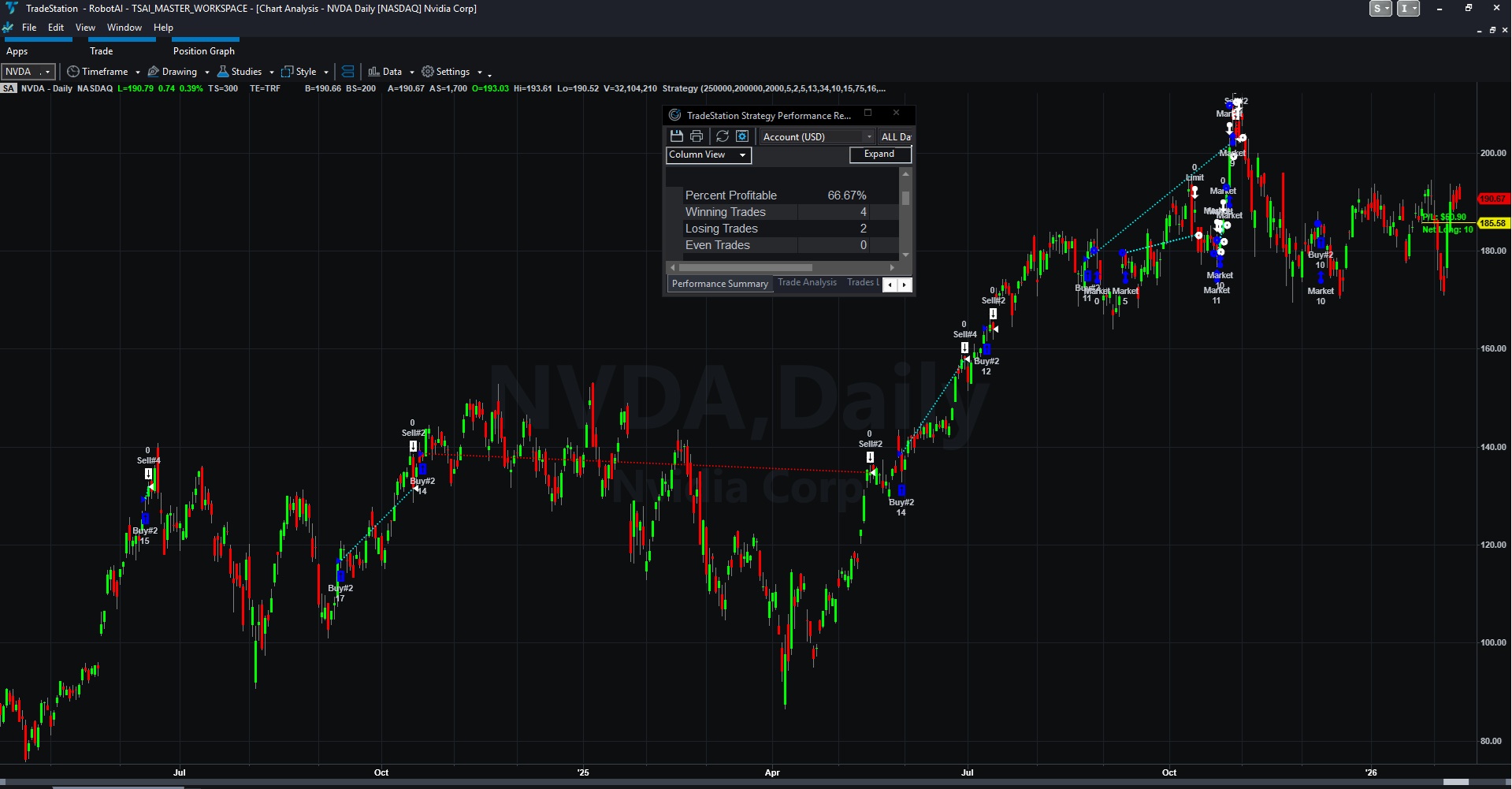
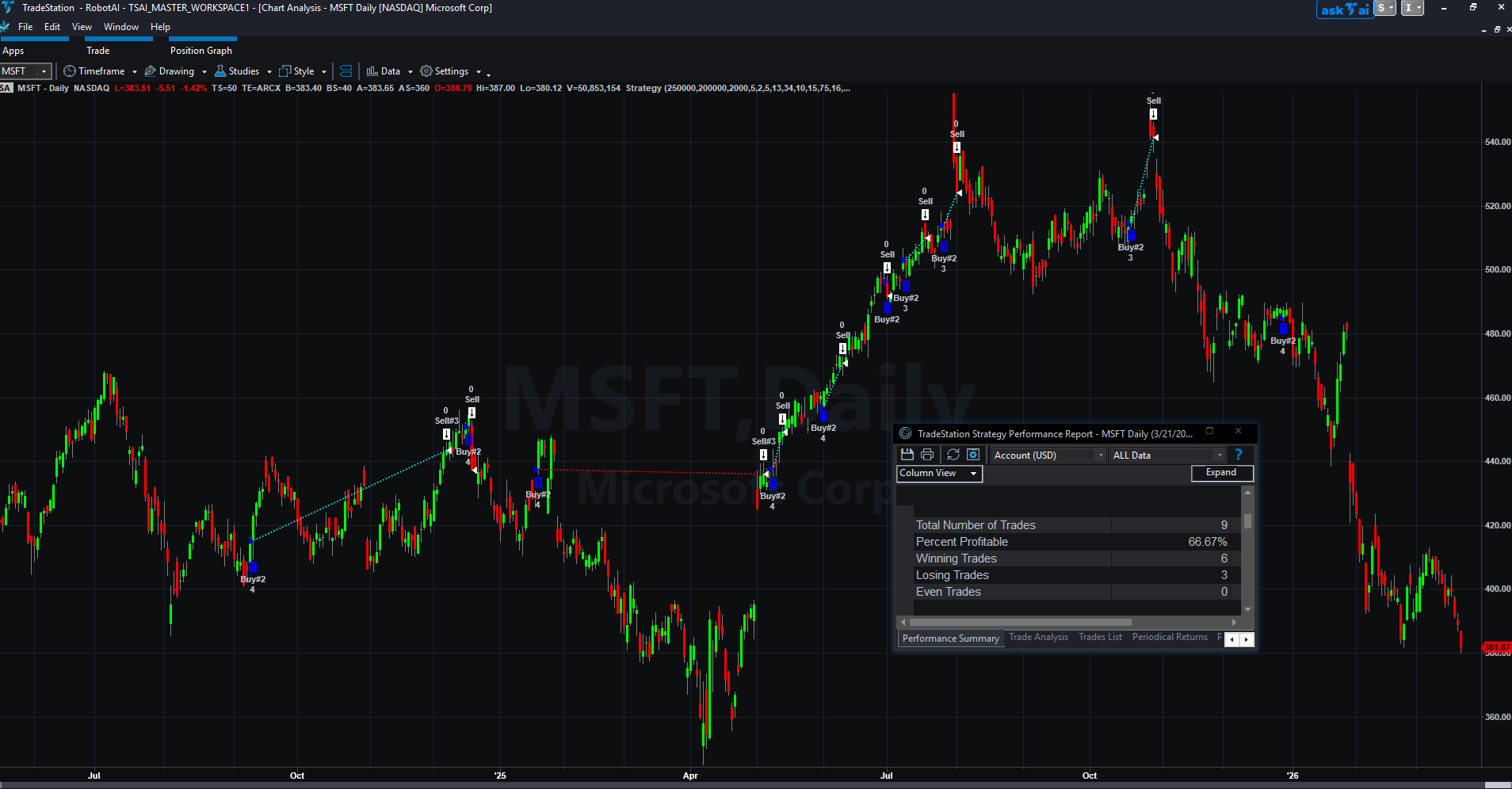
Automated execution systems process the signal and place the trade. No hesitation, no second-guessing, no "but the jobless claims data suggests..." The system doesn't watch CNBC or read analyst notes. It reads price action and executes based on predefined rules.
Human traders typically pause. They wonder if the signal is wrong given the context. They might wait for "confirmation" or reduce position size "just to be safe." These adjustments, while feeling prudent, often destroy the statistical edge that made the strategy profitable during backtesting.
The data shows this pattern repeatedly. A strategy that generates 58% winning trades over 500 signals might only achieve 52% when humans add discretionary filters. The difference comes from the trades humans skip during "uncertain" market conditions—which often end up being the most profitable ones.
How Does Automated Trading Handle Market Volatility?
Automated trading systems handle volatility by ignoring it emotionally while managing it mechanically. Position sizing adjusts based on measured volatility metrics, not trader anxiety levels. Stop losses execute at predetermined levels, not when fear peaks.
When jobless claims data creates a gap down opening, automated systems don't pause to analyze whether the move is "justified." They evaluate price action against entry criteria and execute accordingly. If volatility exceeds acceptable parameters, position sizes adjust automatically. If stops are hit, exits happen immediately.
Human traders often freeze during high volatility events. They second-guess entry signals, widen stops "because the market is crazy," or avoid trades altogether. These modifications feel rational in the moment but systematically erode the strategy's edge over time.
TradeExecutor.AI removes this human failure point entirely. The same rules that worked during backtesting execute during live trading, regardless of whether jobless claims, inflation data, or Federal Reserve announcements create market noise.
14 levels from Gut to Executor. We don't expect anyone to blindly jump in — do your due diligence. Submit symbols, track your predictions, and prove your discipline.
 Start Your Path →
Should You Override Your System During Major Economic Events?
No. Override decisions during major events typically represent the worst possible timing for strategy modifications. Economic announcements create emotional pressure precisely when disciplined execution becomes most valuable.
The urge to override stems from a logical fallacy: believing that obvious information gives traders an edge. Everyone sees the same jobless claims data. Everyone hears the same analyst commentary. If the information were genuinely predictive, it would already be reflected in prices before your override decision.
Successful automated trading relies on statistical edges that play out over hundreds of trades, not market predictions based on individual data points. A system designed to profit from mean reversion will eventually hit its targets, whether jobless claims spike or plummet. The key is executing enough trades for the probabilities to work.
What Is an Execution Leak in Trading?
Execution leak represents the performance gap between a strategy's theoretical returns and actual trading results. Every override, every skipped signal, every "small" modification creates leak. These individually minor decisions compound over time, often transforming profitable strategies into mediocre ones.
Most traders underestimate their execution leak because they focus on obvious mistakes—like panic selling during crashes—while ignoring subtle modifications. Reducing position size during "uncertain" times feels prudent, but it systematically removes exposure during the exact conditions where edges often emerge.
Studies of retail trading performance show execution leak typically costs 3-7% annually in returns. Professional traders fare better but still struggle with consistency during volatile periods. The only way to eliminate execution leak completely is to remove human decision-making from the execution process.
TradeExecutor.AI addresses this problem directly. One strategy, one platform, one-time payment. No monthly fees that incentivize overtrading. No black-box algorithms that change without notice. The same backtested rules execute every time, creating deterministic results that match historical performance.
Why Does Market Noise Create Trading Errors?
Market noise creates errors because humans evolved to detect patterns and threats, not to execute statistical processes. When jobless claims data contradicts a trading signal, pattern recognition systems in our brains flag a potential problem. This response helped our ancestors survive but hinders modern trading performance.
Financial media amplifies this biological tendency by treating every data release as significant. The constant stream of "breaking news" and "market alerts" trains traders to believe each piece of information requires a response. Successful automated trading does the opposite—it filters signal from noise mathematically rather than emotionally.
The solution isn't better market analysis or more sophisticated pattern recognition. It's accepting that individual data points rarely matter for rule-based strategies designed to capture statistical edges over time. Markets will always provide reasons to doubt signals. Profitable trading systems execute despite these reasons, not because of them.
Whether today's jobless claims come in high, low, or exactly at consensus, one thing remains constant: the difference between traders who follow rules and those who follow headlines. Rules-based execution doesn't guarantee profits, but it guarantees consistency—the foundation of long-term trading success.
The choice is simple. Chase every headline and economic release, constantly adjusting your approach based on the latest information. Or trust a backtested, verified system to execute the same strategy regardless of market noise.
Tested. Trusted. Transparent.
How much is your execution leak costing you?
Most traders lose more to overrides than to bad strategy. Calculate yours in 30 seconds.
Calculate Your LeakTradeExecutor.ai — deterministic automated execution engine
← Back to Insights