Does Your Strategy Follow Rules or Hype? Iran War Fears Test Trading Discipline
Stocks tumbled as headlines about U.S.-Iran tensions flooded newsfeeds, sending traders scrambling for the exits. The familiar pattern plays out: geopolitical uncertainty hits, volatility spikes, and disciplined strategies get abandoned for emotional reactions.
TL;DR: Market shocks reveal whether you're trading a tested strategy or chasing headlines. Rules-based execution systems ignore geopolitical noise and follow predetermined signals, while discretionary traders often sabotage their own plans during exactly these high-stress moments.The real question isn't whether Iran tensions will resolve or escalate. The question is whether your trading execution can survive the uncertainty without you interfering with it.
What Happens When Headlines Drive Trading Decisions?
Discretionary traders abandon their rules the moment fear spikes. Today's Iran headlines create the perfect storm: uncertainty about oil supplies, defense spending, and global stability all wrapped into one attention-grabbing story.
The typical trader sees "war uncertainty" and immediately starts second-guessing every position. Maybe they close profitable trades early "just to be safe." Maybe they skip valid entry signals because "now isn't the time." Maybe they add extra size to defensive plays because it "feels right."
Every one of these decisions represents an execution leak—the gap between what your strategy says to do and what you actually do. A rules-based strategy doesn't experience execution leaks because there's no human in the loop making emotional adjustments.
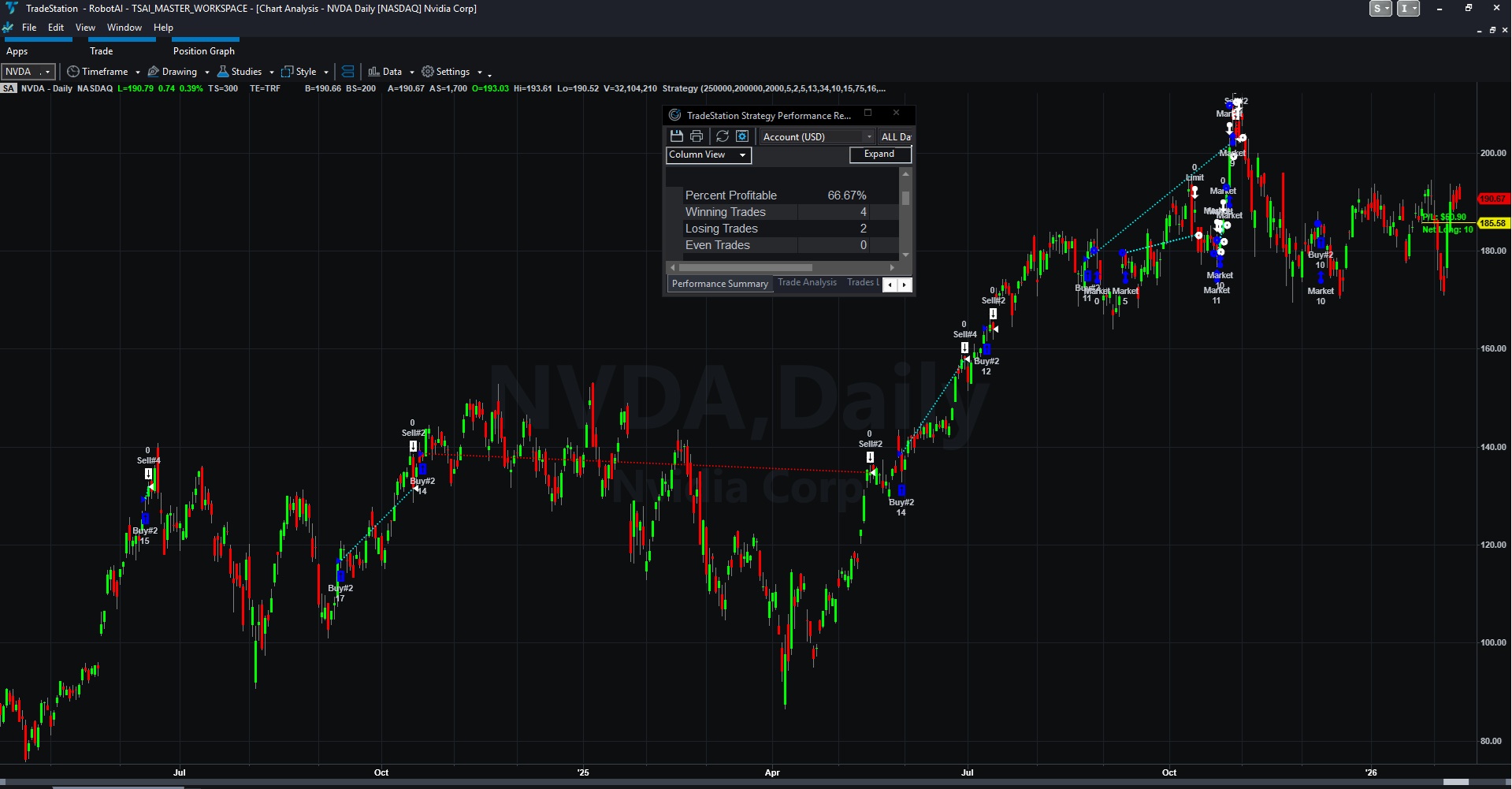
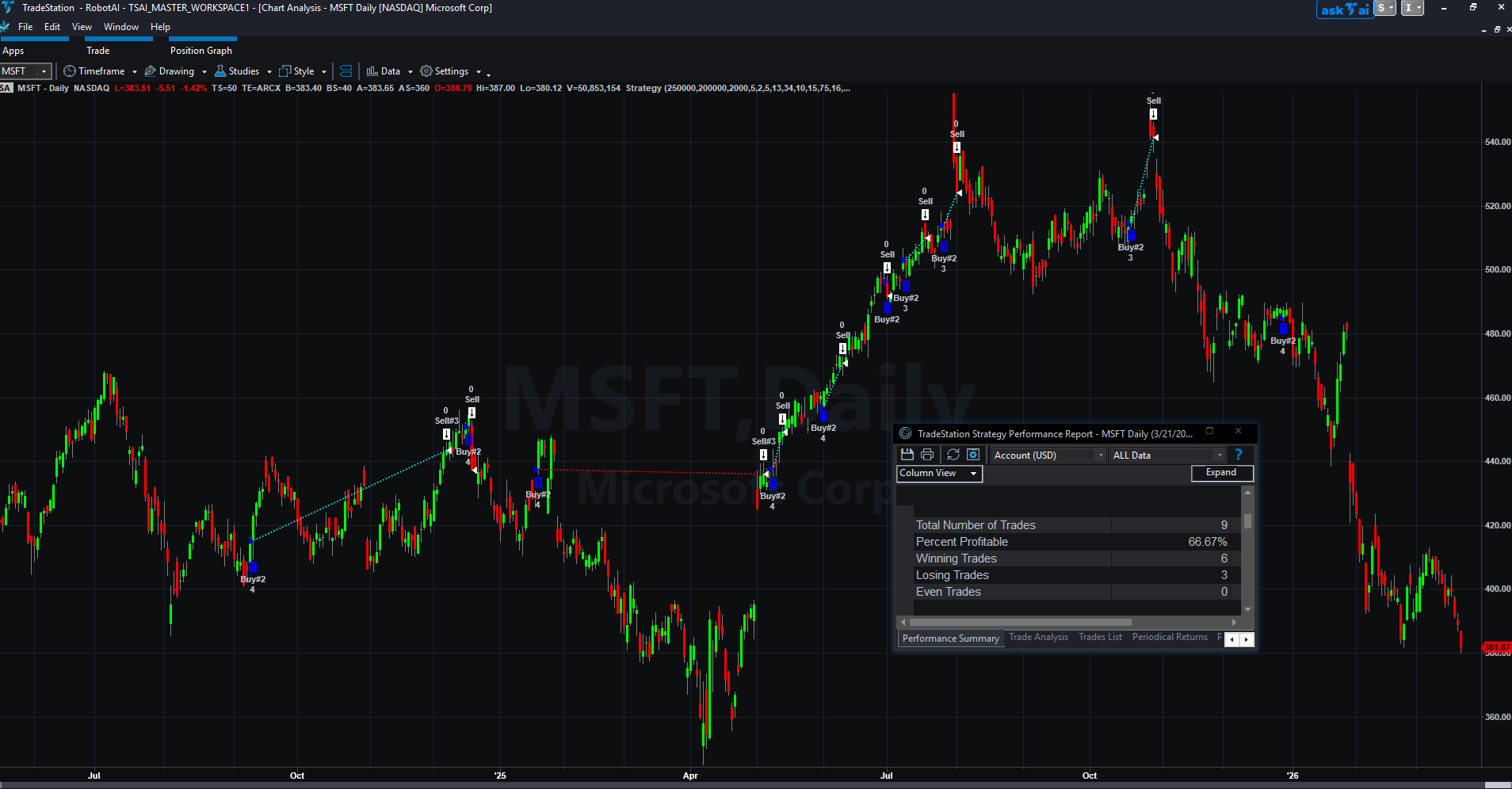
Should You Change Your Strategy When Geopolitical Tensions Rise?
No. If your strategy required manual adjustments for every geopolitical event, it wasn't a strategy—it was a rough guideline with discretionary overrides baked in.
Consider what happened during the 2020 Iran-U.S. tensions, the 2022 Russia-Ukraine conflict, or the 2023 Hamas-Israel escalation. Markets initially dropped, volatility spiked, then trading resumed based on fundamental factors and technical levels. The traders who stuck to their tested rules outperformed those who made emotional pivots.
A properly backtested strategy already accounts for geopolitical shocks because they're built into historical data. The strategy either works across different market conditions or it doesn't. Adding manual overrides during stressful periods usually makes performance worse, not better.
How Does Automated Trading Handle Market Volatility?
Automated systems execute the same logic regardless of headlines. When Iran tensions spike volatility, the system checks its rules: Does the price action meet entry criteria? Has a stop loss been triggered? Are position sizing rules being followed?
The system doesn't read CNBC headlines. It doesn't know that tensions are "Iran-related" versus "Federal Reserve-related" versus "earnings-related." It only knows price, volume, and whatever technical indicators are programmed into the logic.
This headline blindness is a feature, not a bug. Volatility spikes look similar regardless of their cause. A 2% gap down looks the same whether it's driven by Iran fears, inflation data, or earnings misses. The trading response should be consistent.
14 levels from Gut to Executor. We don't expect anyone to blindly jump in — do your due diligence. Submit symbols, track your predictions, and prove your discipline.
 Start Your Path →
What Is an Execution Leak in Trading?
An execution leak occurs when your actual trades differ from your planned trades. Every time you hesitate on a signal, exit early, or skip a setup, you create a gap between your strategy's theoretical performance and your real-world results.
Geopolitical events are execution leak generators. The trader who normally follows trend signals suddenly becomes selective during Iran headlines. "This trend might be different," they think. "Maybe I should wait for clarity."
But strategies are tested across hundreds or thousands of trades, not optimized for single events. The edge comes from consistent execution across all market conditions, not from making exceptions during scary headlines.
TradeExecutor.AI eliminates execution leaks by removing human decision-making from the trade-by-trade process. The same inputs produce the same outputs, whether markets are calm or chaotic.
Why Do Rules-Based Systems Outperform During Crises?
Rules-based systems maintain discipline when human traders panic. During the initial COVID crash, many discretionary traders froze or made reactive trades. Automated systems kept following their rules, often buying into oversold conditions that human traders were too scared to touch.
The advantage isn't that automated systems are smarter about predicting outcomes. The advantage is consistency. A system doesn't get spooked by war headlines and start tightening stops unnecessarily. It doesn't skip valid signals because the news feels "too uncertain."
Consider today's Iran situation. A discretionary trader might think: "Geopolitical uncertainty is too high, I'll wait for clearer signals." But what defines "clear" signals? When do tensions officially resolve? These subjective judgments introduce inconsistency that wasn't present during backtesting.
Does TradeStation Integration Matter During Market Stress?
Platform reliability becomes critical during high-volatility periods. TradeExecutor.AI operates on TradeStation's infrastructure, which handles execution during volatile sessions without requiring multiple platform integrations or API connections that might fail under stress.
Single-platform execution means fewer potential failure points when markets gap down on geopolitical news. The strategy logic runs directly within TradeStation's environment, avoiding the latency and connectivity issues that can plague systems spanning multiple platforms.
This matters most during the exact moments when reliable execution is crucial—when markets are moving fast and emotional traders are making costly mistakes.
How Do You Build Immunity to Headlines?
Test your strategy across multiple crisis periods, not just trending markets. If your backtesting only covers calm periods, you haven't tested a strategy—you've curve-fitted to favorable conditions.
Real strategy testing includes the 2008 financial crisis, COVID crash, various geopolitical flare-ups, and Fed policy surprises. If the rules work across these different stress periods, they're more likely to work during the next Iran headline or whatever uncertainty comes next.
TradeExecutor's strategy underwent extensive backtesting across multiple market cycles and crisis periods. The same logic that handles normal market conditions also handles geopolitical shocks, because both are simply price movements that either meet entry criteria or don't.
When Should You Override Your Trading Rules?
Never, if you want to maintain the statistical edge that backtesting revealed. Every override assumes you know something the historical data doesn't reflect. Most of the time, that assumption is wrong.
The moment you start making exceptions—"this Iran situation is different," "this volatility is unusual," "now isn't the time"—you're no longer following the strategy that produced your backtested results. You're trading discretionarily with rules-based window dressing.
If Iran tensions genuinely change the fundamental market structure permanently, that change will show up in the price action and technical indicators your strategy monitors. You don't need to anticipate it manually.
TradeExecutor.AI executes one strategy, one way, every time. No discretionary overrides, no emotional adjustments, no second-guessing based on headlines. The deterministic approach that works during calm markets also works during geopolitical storms.
Headlines come and go. Iran tensions will resolve or escalate, then fade into the background as new uncertainties emerge. The traders who maintain discipline across all these cycles build long-term edges while others chase headlines.
Tested. Trusted. Transparent.
How much is your execution leak costing you?
Most traders lose more to overrides than to bad strategy. Calculate yours in 30 seconds.
Calculate Your LeakTradeExecutor.ai — deterministic automated execution engine
← Back to Insights