Tech Selloff Exposes the Fatal Flaw in Discretionary Trading: When Emotions Override Execution
The S&P 500 and Nasdaq are bleeding red today, crushed by another tech pullback as yields spike higher. Across trading floors and home offices, discretionary traders are staring at screens, second-guessing their positions, and making split-second decisions driven by fear rather than logic.
TL;DR: Market volatility reveals the critical difference between rules-based execution and emotional decision-making. Automated systems execute the same predetermined logic regardless of headlines, while discretionary traders often abandon winning strategies at the worst possible moments. The solution isn't better market predictions—it's removing human emotion from the execution process entirely.The real question isn't whether this selloff will continue. The question is: when markets move against you, does your trading follow predetermined rules or does it follow the hype cycle of fear and greed? Today's volatility is the perfect stress test for any trading approach, and it's exposing a fundamental truth about market execution.
The community submitted 1 prediction for AAPL. Every week, the most popular symbol gets publicly reviewed — good or bad.
Submit a Symbol →What Happens When Discretionary Traders See Red?
Discretionary traders typically abandon their original plan within minutes of seeing significant red on their screens. They close profitable positions too early, hold losing trades too long, and size positions based on recent P&L rather than risk management rules.
Take today's tech selloff. A discretionary trader who built a position in QQQ last week is now facing a decision: hold through the pain or cut losses? Their rules-based strategy might have clear exit criteria—perhaps a stop loss at 2% below entry or a trailing stop that locks in profits. But emotions create execution leak.
The trader starts rationalizing. "Maybe this time is different." "The yields might spike even higher." "I should have seen this coming." Each thought pulls them further from their original strategy and deeper into emotional decision-making.
This isn't a character flaw—it's human nature. Our brains are wired to respond to immediate threats, not to execute mechanical trading strategies under pressure. The solution isn't willpower; it's removing the human decision point entirely.
"Down $200 on a day trade. Not much. But I refused to take it. 'It's only $200, it'll come back.' $200 became $400. Then $700. Then $1,200. I finally sold. Six hours of holding. Six hours of hoping...."
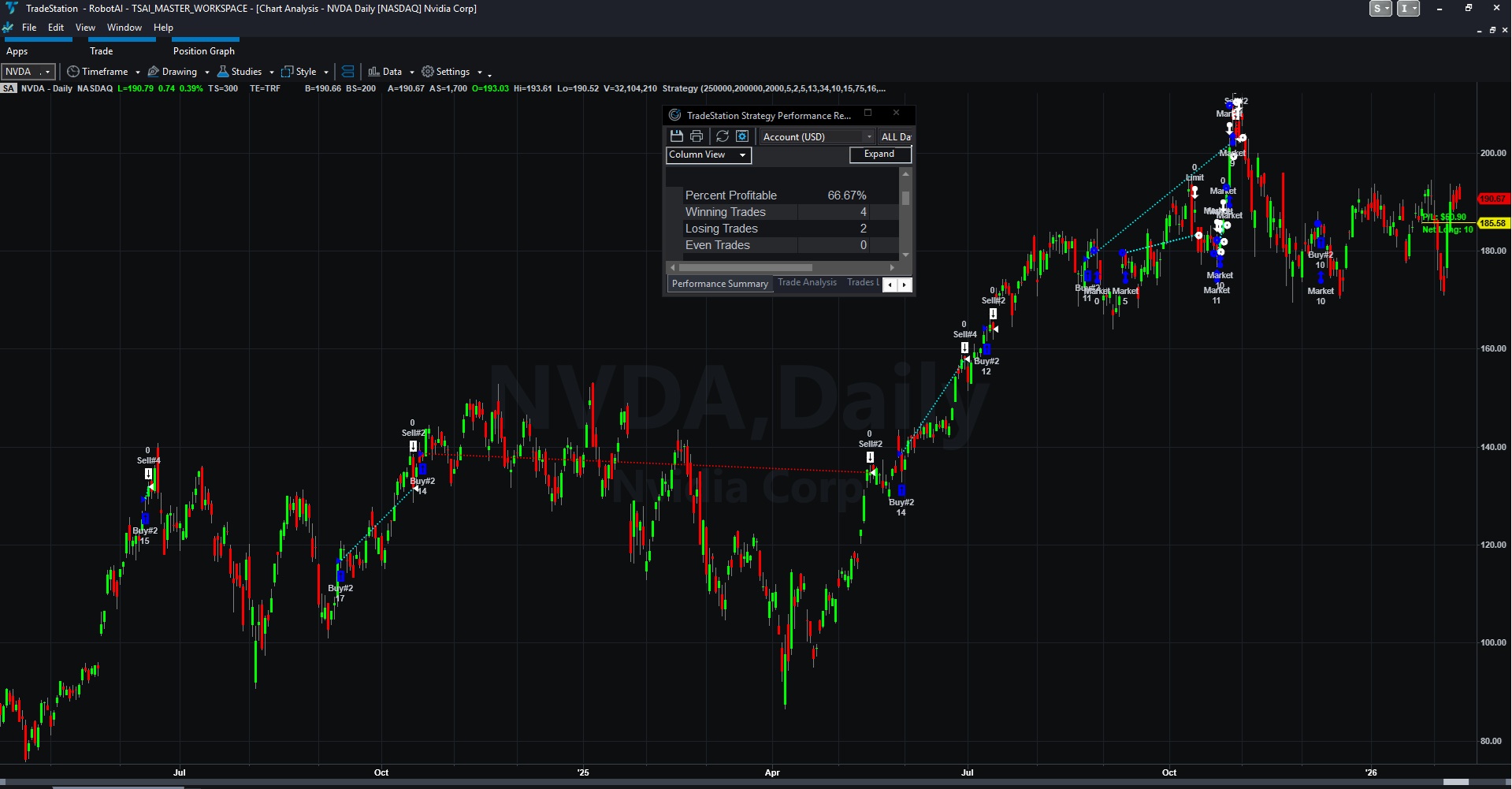
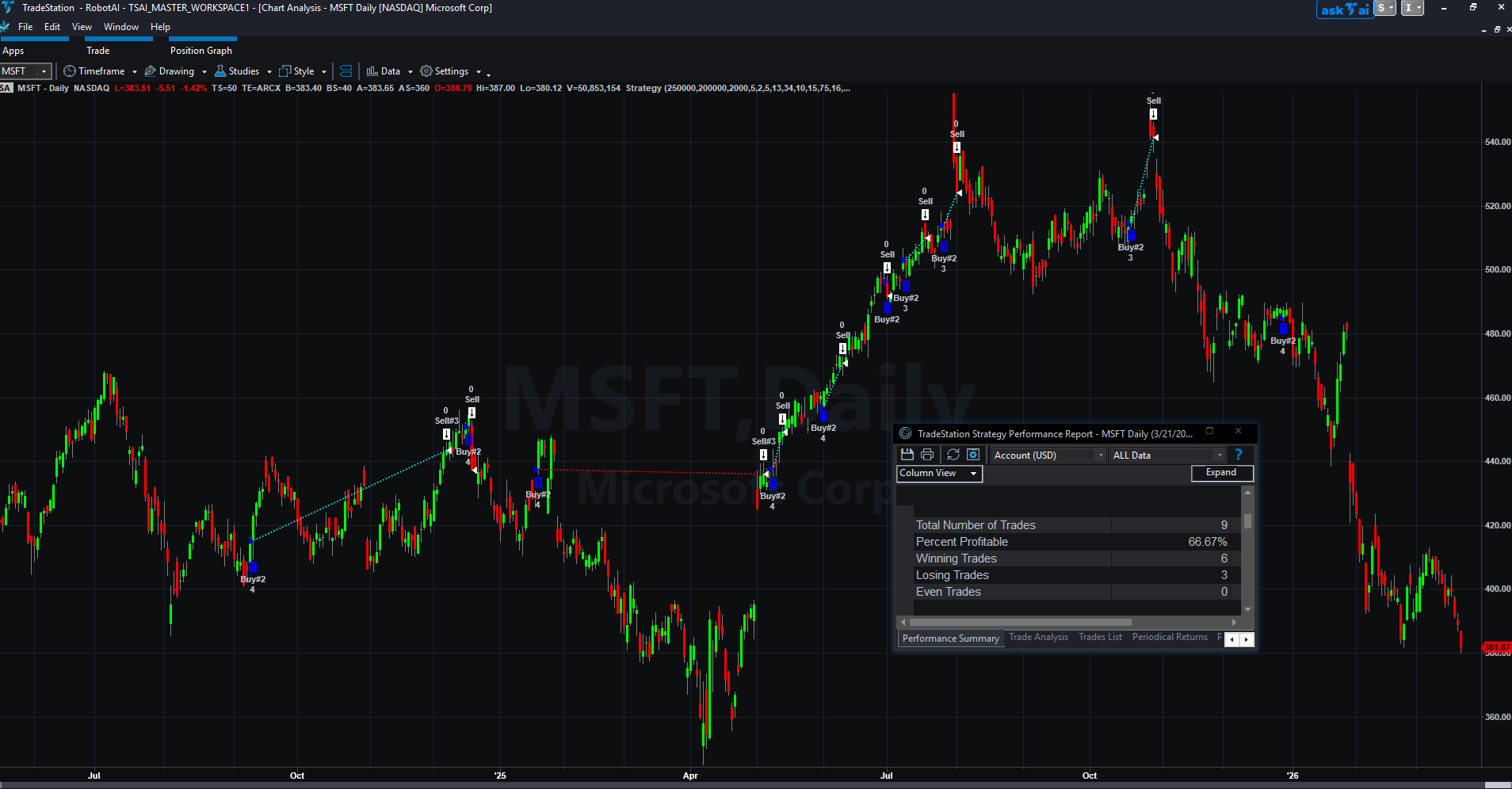
How Does Automated Trading Handle Market Volatility?
Automated trading systems execute identical logic whether the market is up 3% or down 3%. The system doesn't read headlines, doesn't feel fear, and doesn't second-guess predetermined rules based on recent market action.
When yields spike and tech stocks crater, an automated system follows the same decision tree it followed during calm markets. If the rules say exit at a 2% stop loss, the system exits at exactly 2%. If the rules say add to positions on specific technical setups, the system adds regardless of whether CNBC is calling it a "tech rout" or a "healthy pullback."
This deterministic execution eliminates what traders call "execution leak"—the gap between what your strategy says to do and what you actually do. A backtest might show your strategy returning 15% annually, but if you only captured 8% due to emotional overrides, you're leaking 7% every year to discretionary decisions.
TradeExecutor.AI built its entire platform around this principle. Same inputs produce same outputs, every time. No discretion, no emotional overrides, no "but this time feels different" exceptions.
Should You Override Your Strategy During Market Selloffs?
The answer is definitively no, yet 90% of discretionary traders do exactly this during periods of high volatility. They override their predetermined rules based on current market conditions, typically at the worst possible moments.
Consider the data: most winning trading strategies perform worst during their drawdown periods, which coincide exactly with when traders feel most compelled to abandon them. The strategy isn't broken—the execution is broken.
During today's selloff, a rules-based approach might trigger stop losses on some positions while simultaneously identifying new entry points based on technical criteria. The system doesn't care that tech is "falling apart" or that yields are "spiking dangerously." It cares about price, volume, and predetermined technical setups.
Human traders see the same signals but filter them through recent experience. If they took losses yesterday, they're less likely to take new positions today, even when their strategy signals an entry. If they made money last week, they might risk more than their rules allow. This emotional filtering destroys edge over time.
What Is an Execution Leak in Trading?
Execution leak is the performance gap between your strategy's theoretical returns and your actual trading results. It's measured in real dollars and represents the cost of human decision-making in the execution process.
The leak occurs in three ways: timing (entering or exiting at slightly different prices than planned), sizing (risking more or less than your rules specify), and frequency (taking fewer trades when scared, more trades when confident). Each deviation compounds over time.
A study of retail traders showed the average execution leak was 4.2% annually—meaning a strategy that should return 12% only delivered 7.8% after emotional decision-making. For professional traders, the leak was smaller but still measurable at 1.8% annually.
TradeExecutor eliminates this leak entirely by removing human discretion from the execution process. The system places orders at exact prices, with exact position sizes, at exact times specified by the strategy. Zero deviation, zero leak.
Why Rules-Based Execution Works When Markets Turn Volatile
Rules-based systems perform best during volatile periods because volatility is when emotional decision-making does the most damage. When markets are calm, the difference between systematic and discretionary execution is minimal. When markets move violently, the difference becomes enormous.
Today's tech selloff creates exactly the conditions where systematic execution shows its value. While discretionary traders are paralyzed by conflicting signals and changing narratives, automated systems are executing the same logic that worked during backtests covering dozens of similar market conditions.
The key insight: your edge isn't in predicting whether this selloff continues or reverses. Your edge is in executing consistent logic across all market conditions. Rules-based execution ensures that edge gets captured rather than leaked away through emotional decision-making.
This is why TradeExecutor.AI focuses on one strategy, executed on one platform, with transparent historical performance. The goal isn't to predict markets—it's to execute predetermined rules with mechanical precision, especially when human traders are most likely to abandon their discipline.
Markets will always be volatile. Headlines will always create fear and greed. The question is whether your execution process can handle that reality or gets derailed by it. Rules-based execution handles it. Discretionary trading gets derailed by it.
Tested. Trusted. Transparent.How much is your execution leak costing you?
Most traders lose more to overrides than to bad strategy. Calculate yours in 30 seconds.
Calculate Your LeakTradeExecutor.ai — deterministic automated execution engine
← Back to Insights