When Markets React to Hormuz Blockades, Does Your Trading Strategy Follow Rules or Headlines?
The Dow, S&P 500, and Nasdaq all edged higher today after Trump ordered a Hormuz blockade against Iran — the kind of geopolitical shock that sends discretionary traders scrambling for their phones and automated systems following their predetermined logic trees.
TL;DR: Geopolitical events like blockades create execution chaos for discretionary traders who chase headlines, while rules-based strategy systems execute predetermined responses without emotional interference. The same market conditions that cause human traders to deviate from their plans become just another data point for automated execution engines.Markets love uncertainty almost as much as traders hate it. But here's what separates profitable execution from expensive mistakes: your strategy either follows rules or follows feelings. There's no middle ground when oil tankers can't pass through the Strait of Hormuz.
Should You Change Your Strategy When Geopolitical Events Hit Markets?
No. Changing your strategy mid-execution based on news headlines violates the fundamental principle of systematic trading. Every geopolitical event — from Hormuz blockades to trade wars — represents a market condition that should already be accounted for in your backtested system.
The moment you start making "special case" decisions, you've abandoned the statistical edge that made your strategy profitable in the first place. Discretionary overrides transform a tested system into an untested gamble. Markets have faced geopolitical shocks for decades. Your strategy's backtest either handled volatility spikes or it didn't.
Consider what happened during the 2019 drone attacks on Saudi oil facilities. Oil futures gapped up 15% overnight. Discretionary traders who "knew better" than their systems either chased the gap or froze entirely. Rule-based systems that had position sizing and volatility filters built in executed their predetermined responses without hesitation.
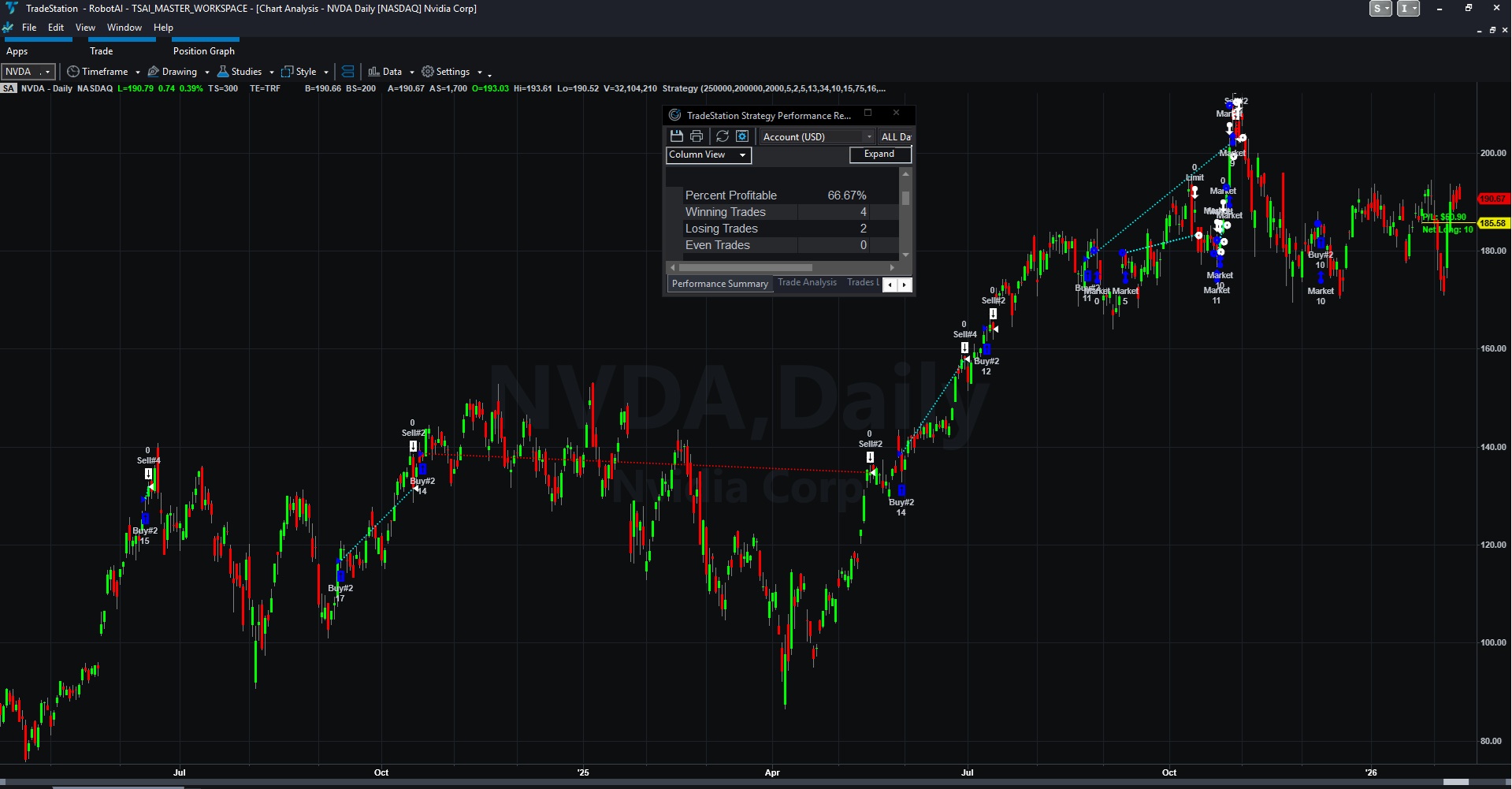
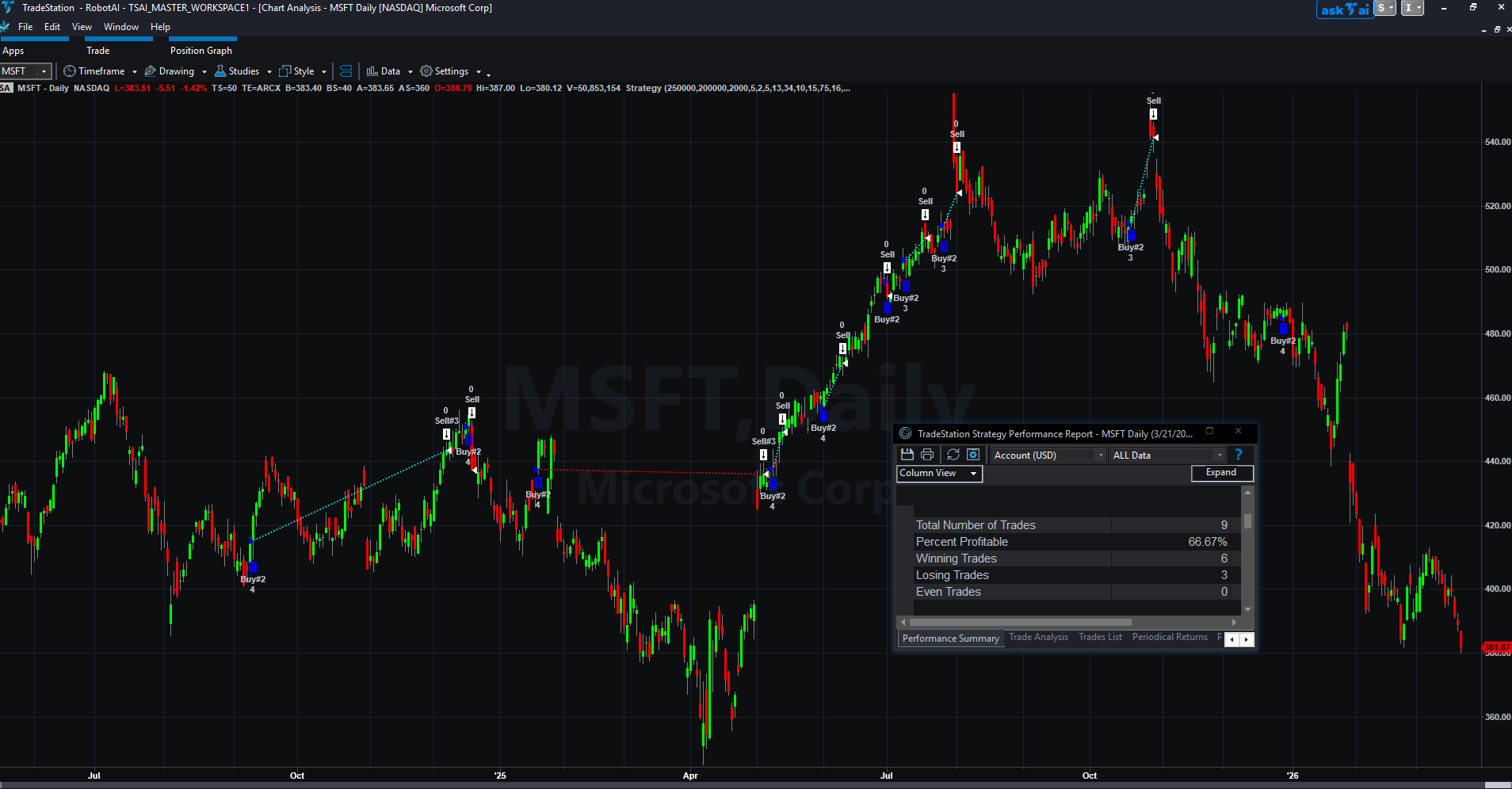
What Happens When Traders Override Their Systems During News Events?
Traders who override their systems during news events typically cut winners too early and hold losers too long, creating systematic underperformance that compounds over time. The emotional response to unexpected headlines directly contradicts the patient execution that systematic strategies require.
When Iran tensions spike, the discretionary trader's internal dialogue starts: "Maybe I should take profits early... What if this escalates... Should I hedge with energy stocks..." Each question creates hesitation. Each hesitation creates execution leak — the measurable difference between your strategy's theoretical returns and your actual account performance.
Execution leak doesn't just happen during major news. It accumulates through thousands of micro-decisions where human judgment second-guesses systematic rules. The trader who takes half profits "just to be safe" during a Hormuz crisis is the same trader who'll exit early during every volatility spike. These decisions feel rational in the moment but destroy statistical edge over time.
TradeExecutor.AI eliminates this decision fatigue entirely. The system doesn't read headlines, doesn't feel anxiety about Iran, and doesn't make "just this once" exceptions. Hormuz blockades become volatility readings. Political tensions become price movements. Nothing more, nothing less.
How Does Automated Trading Handle Market Volatility?
Automated trading handles volatility through predefined volatility filters and position sizing rules that scale exposure based on measured risk, not emotional assessment. When the VIX spikes 20% on geopolitical news, the system adjusts position sizes mathematically rather than reactively.
Most traders think volatility means opportunity. Automated systems understand volatility means calibration. Higher volatility triggers smaller position sizes. Wider spreads trigger adjusted entry points. Gap opens trigger gap rules, not panic rules. Every market condition maps to a predetermined response.
During today's Iran-related market moves, a rules-based system processes three data points: current volatility, position exposure, and predefined exit conditions. The discretionary trader processes dozens: headline severity, political implications, historical precedents, portfolio theory, risk tolerance, and emotional state. More processing creates more failure points.
This deterministic approach means the same geopolitical scenario produces identical systematic responses. Trump announces Hormuz restrictions in January, the system responds identically to Trump announcing Hormuz restrictions in July. Human traders bring different stress levels, account balances, and risk tolerances to identical scenarios.
What Is an Execution Leak in Trading?
An execution leak is the measurable gap between your strategy's backtested performance and your actual trading results, caused by discretionary decisions that deviate from systematic rules. Every override, every "gut feeling" trade, every early exit contributes to this performance degradation.
Most traders discover their execution leak only after years of underperforming their own backtests. They'll spend months optimizing entry signals while ignoring the fact that they exit 15% of their trades early when headlines turn negative. The strategy isn't broken — the execution is.
Execution leak compounds because it's systematic bias disguised as tactical flexibility. The trader who exits Iran-related positions "just to be safe" reveals their underlying belief that their system can't handle volatility. This same belief triggers early exits during earnings surprises, Fed announcements, and sector rotations.
TradeExecutor.AI measures execution leak at zero because there's no discretionary layer between signal and action. The strategy generates a signal, the platform executes the trade. No phone calls, no second-guessing, no "market conditions seem different today" exceptions.
Why Do Geopolitical Events Expose Trading Psychology Flaws?
Geopolitical events expose trading psychology flaws because they trigger survival instincts that evolved for physical threats, not financial markets. When headlines mention blockades and military action, primitive brain circuits activate risk-avoidance behaviors that systematically undermine statistical trading edges.
The trader reading about Hormuz tensions experiences the same neurological response their ancestors felt hearing rustling bushes. Fight, flight, or freeze. None of these responses optimize trade execution. The amygdala doesn't understand that geopolitical volatility is priced into options premiums and already reflected in systematic risk management.
This biological mismatch explains why successful discretionary traders often seem emotionally detached. They've either naturally suppressed these responses or trained themselves to ignore them. But suppression requires constant energy and occasionally fails during high-stress periods.
Rules-based execution sidesteps human neurology entirely. The system doesn't experience stress hormones when Iran threatens shipping lanes. It processes price data and executes predetermined logic. Biological evolution becomes irrelevant to trading execution.
Does One-Strategy Focus Make Trading Systems More Reliable?
Yes. Single-strategy focus creates deeper specialization and more reliable performance than multi-strategy approaches that dilute backtesting data and complicate execution protocols. One strategy means one set of market assumptions, one risk model, and one performance benchmark.
Multi-strategy platforms promise diversification but deliver complexity. When geopolitical events hit, which strategy takes priority? How do overlapping signals resolve? What happens when Strategy A says buy while Strategy B says sell? Each decision point introduces discretionary elements that undermine systematic execution.
TradeExecutor.AI runs one strategy on one platform with one-time payment structure. This focus eliminates strategy selection bias, reduces execution complexity, and provides clear performance attribution. When Hormuz tensions move markets, there's no debate about which algorithm responds — there's only one.
Single-strategy focus also means concentrated backtesting. Instead of spreading historical data across multiple approaches, all testing validates one methodology. The Iran crisis scenarios, oil shock responses, and geopolitical volatility patterns all refine the same systematic approach rather than competing for optimization resources.
How Do You Calculate Your Real Execution Leak?
Calculate your execution leak by comparing your actual trading returns to your strategy's backtested performance over identical time periods and market conditions. The difference represents the cost of discretionary decision-making in your systematic approach.
Most traders skip this calculation because the results hurt. Seeing quantified evidence that your "intelligent overrides" cost 3-4% annually forces uncomfortable conclusions about trading discipline. But measurement enables improvement. Unknown execution leak continues indefinitely; measured execution leak can be eliminated.
Start with your last 100 trades. Compare your actual entry and exit prices to your system's recommended prices. Account for slippage and commissions, but isolate the purely discretionary deviations. The Iran news that made you exit early, the Fed announcement that delayed your entry, the earnings report that convinced you to take partial profits — quantify each decision's cost.
TradeExecutor.AI eliminates this calculation entirely because there's no discretionary layer to measure. System signals translate directly to platform execution. Your performance equals the strategy's performance, minus only unavoidable transaction costs.
The next time geopolitical headlines dominate market sentiment, remember: your edge comes from following rules when everyone else follows emotions. Hormuz blockades don't change mathematics. They just test your discipline.
Tested. Trusted. Transparent.
How much is your execution leak costing you?
Most traders lose more to overrides than to bad strategy. Calculate yours in 30 seconds.
Calculate Your LeakTradeExecutor.ai — deterministic automated execution engine
← Back to Insights