When Fed Decisions Make Markets Panic: Does Your Trading System Follow Rules or Fear?
U.S. stocks are sliding under pressure from higher rates, and somewhere right now, a trader is staring at red screens wondering if they should abandon their strategy. The answer separates winning traders from the wreckage.
TL;DR: Rules-based trading systems execute the same strategy whether markets rise 2% or fall 2%. Discretionary traders change course mid-flight, creating execution leaks that compound into significant underperformance. The Fed doesn't change the rules — it tests them.The community submitted 1 prediction for AAPL. Every week, the most popular symbol gets publicly reviewed — good or bad.
Submit a Symbol →What Happens When Your Trading System Meets Market Chaos?
Rules-based systems execute predetermined entry and exit signals regardless of market conditions. When rates spike and stocks tumble, automated execution follows the same logic that guided trades during bull runs.
The alternative — discretionary trading during volatile sessions — introduces human judgment at the worst possible moment. A rules-based strategy treats today's rate-driven selloff as data points, not reasons to panic.
Fed announcements create textbook examples of why systematic execution outperforms emotional decision-making. The strategy either generates a signal or it doesn't. Market commentary becomes irrelevant noise.
Consider the difference: A discretionary trader sees "higher rates pressure stocks" and questions whether to take the next short signal. Maybe rates have already done the damage. Maybe this selloff is overdone. Maybe, maybe, maybe.
The rules-based system sees price action, volume, and technical indicators. Signal generated, trade executed. No CNBC commentary required.
"Down $200 on a day trade. Not much. But I refused to take it. 'It's only $200, it'll come back.' $200 became $400. Then $700. Then $1,200. I finally sold. Six hours of holding. Six hours of hoping...."
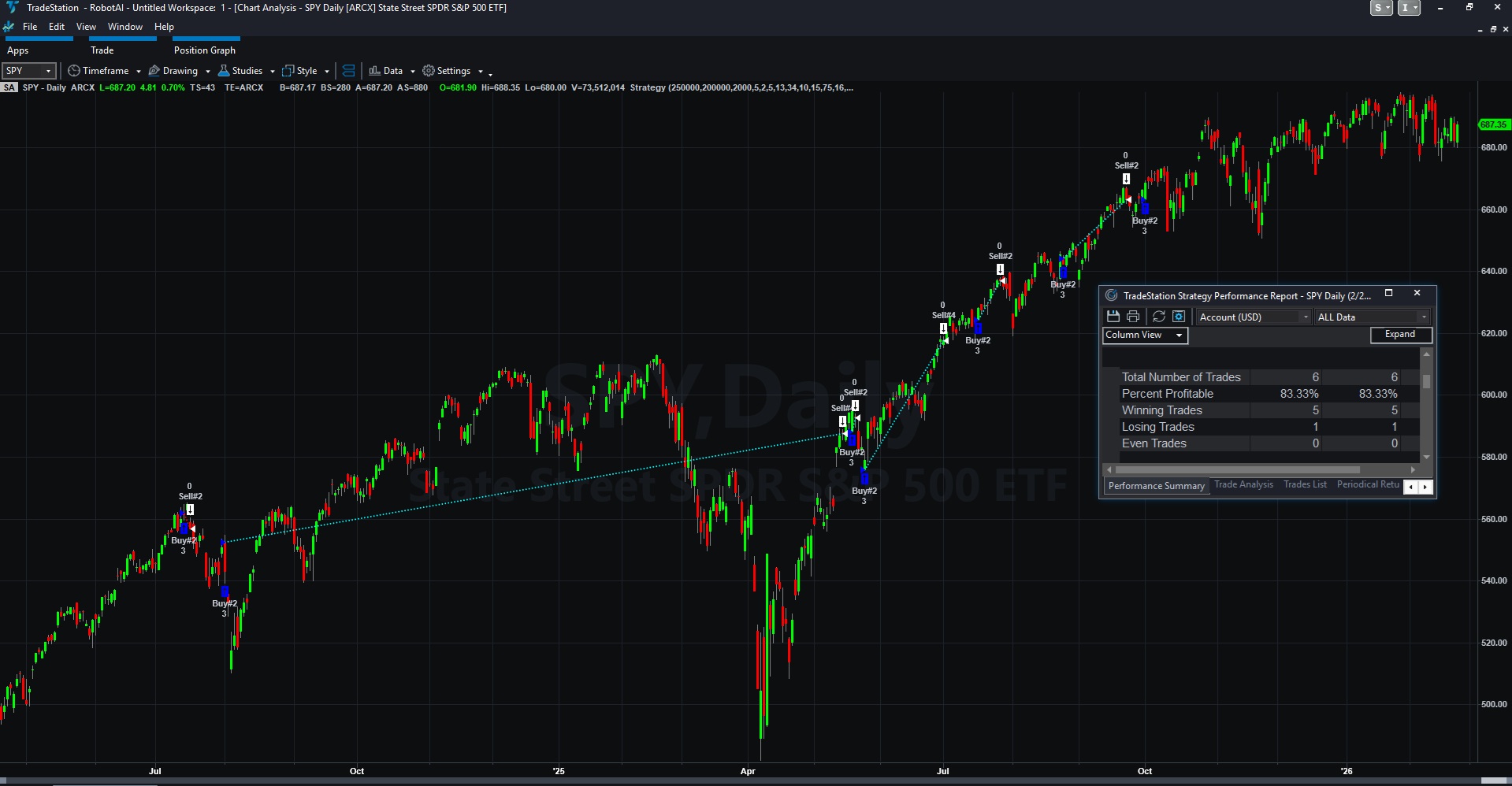
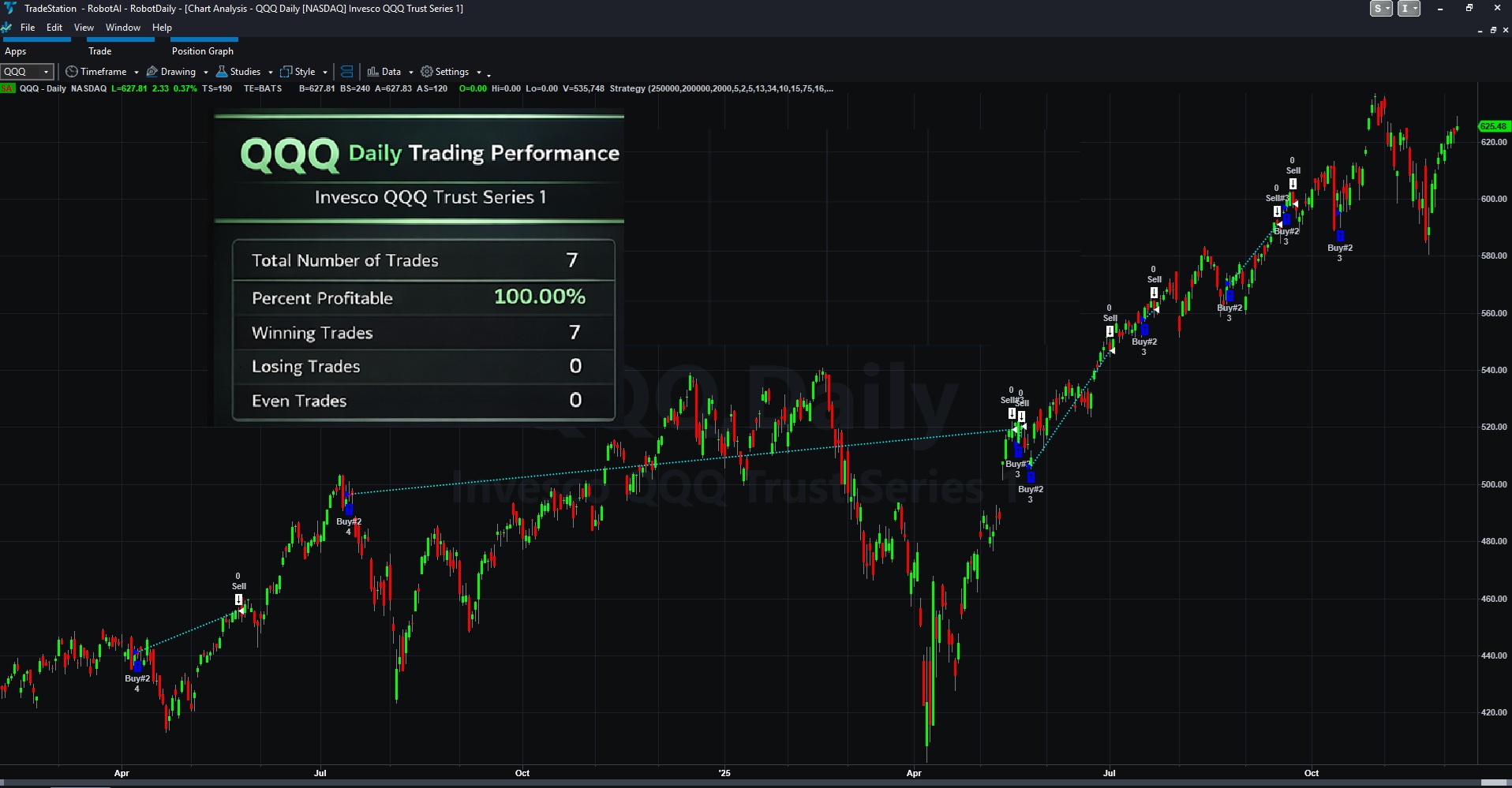
Should You Override Your Strategy When Headlines Scream Crisis?
Never override a tested strategy based on headlines or market panic. Strategy overrides during volatile periods consistently destroy performance over time.
Every "this time is different" moment feels unique while happening. Rate hikes, inflation fears, geopolitical events — they all generate the same trader response: abandon the plan when it matters most.
TradeExecutor.AI removes the override option entirely. The system cannot panic, cannot second-guess, cannot make exceptions for seemingly important news. Fed decisions trigger the same systematic evaluation as any other trading session.
Historical data reveals why this matters. Traders who override strategies during high-volatility periods underperform their own backtested results by an average of 3-7% annually. That gap — called execution leak — compounds ruthlessly over time.
The most dangerous phrase in trading: "But this situation is different." Rate environments change constantly. Market structures evolve. Headlines rotate between crisis and celebration. Tested rules adapt to all conditions without requiring manual intervention.
How Does Automated Trading Handle Rate-Driven Volatility?
Automated systems process rate-driven volatility as additional data points within existing parameters. Increased volatility may trigger more signals or fewer signals, depending on strategy design, but never changes the underlying execution logic.
Volatility creates opportunity for systematic strategies. Wider price swings generate clearer technical signals. Increased volume provides better execution fills. Emotional traders fleeing positions create predictable patterns that rules-based systems exploit.
Human traders experience volatility as stress. Automated systems experience volatility as mathematics. The difference shows immediately in execution quality and long-term results.
Rate announcements exemplify why removing human discretion improves trading outcomes. The 30 minutes surrounding Fed decisions contain some of the most irrational price movements in markets. Perfect conditions for systematic execution, terrible conditions for emotional decision-making.
TradeExecutor runs the same strategy whether the Fed raises rates 25 basis points or 75 basis points. Market reaction becomes input data, not cause for strategy revision.
What Is the Real Cost of Trading Your Emotions?
Emotional trading costs compound beyond individual bad trades into systematic underperformance. The average trader underperforms their own buy-and-hold returns by 3.7% annually, primarily due to poor timing decisions during volatile periods.
Execution leak occurs every time traders deviate from their tested approach. Skip a signal because headlines look scary: execution leak. Exit early because profits look good: execution leak. Add size because "this one feels different": execution leak.
These deviations feel rational in the moment. Today's rate-driven selloff creates perfect justification for defensive positioning. Tomorrow's bounce will justify aggressive buying. Neither decision improves long-term performance.
Systematic execution eliminates these costly deviations. The strategy works or it doesn't — determined by months of backtesting, not minutes of market panic.
Why One Strategy, One Platform, One Payment Changes Everything?
Simplicity removes complexity-driven errors that plague multi-strategy, multi-platform approaches. TradeExecutor.AI focuses on executing one tested strategy on TradeStation with zero ongoing decisions required.
Multiple strategies create decision fatigue. Which system to follow today? Should Strategy A override Strategy B? How much capital per approach? Complexity multiplies failure points exponentially.
Platform switching introduces execution delays and technical risks during critical moments. Rate announcements happen fast. Systems that depend on multiple connections or manual interventions miss opportunities and create unnecessary risk.
One-time payment eliminates the subscription pressure that drives overtrading. Monthly software fees create psychological pressure to generate activity, whether signals exist or not. Pay once, trade only when rules align.
The TradeStation integration means tested performance translates directly to live execution. No adaptation period, no platform-specific modifications, no surprises between backtest and reality.
Fed decisions test every aspect of trading discipline simultaneously. Signal recognition, execution speed, emotional control, risk management. Rules-based systems pass every test identically. Human discretion fails different tests every time.
Markets will continue reacting to rate decisions, inflation data, and economic surprises. Your trading system should continue executing the same tested approach regardless of headlines or commentary.
Tested. Trusted. Transparent.
How much is your execution leak costing you?
Most traders lose more to overrides than to bad strategy. Calculate yours in 30 seconds.
Calculate Your LeakTradeExecutor.ai — deterministic automated execution engine
← Back to Insights