Fed Rate Hike Fears Test Every Trader's Discipline — Rules Win
CNN reports market sell-offs accelerating as traders price in higher Fed rate hike odds. S&P futures diving, volatility spiking, and panic selling spreading across sectors. The question isn't whether your portfolio is down — it's whether your trading system survived intact.
TL;DR: Fed-driven market chaos exposes the fatal flaw in discretionary trading — emotional overrides that destroy months of disciplined execution. Rules-based systems execute the same strategy regardless of headlines, protecting you from the costliest trading mistake: abandoning your plan when markets test your resolve.Every Fed announcement creates two types of traders: those who stick to their rules-based strategy and those who panic-adjust mid-flight. Only one type consistently survives market volatility.
The community submitted 1 prediction for AAPL. Every week, the most popular symbol gets publicly reviewed — good or bad.
Submit a Symbol →Does Your Strategy Follow Rules or Headlines?
Rules-based trading systems execute predetermined entry and exit conditions without modification, regardless of external events like Fed announcements. Discretionary trading allows real-time adjustments based on current market conditions or news flow.
When CNN headlines scream "sell-off accelerates," discretionary traders face an impossible choice: trust the strategy that got them here, or adapt to breaking news. The data is unforgiving — 87% of retail traders lose money during high-volatility events, primarily due to emotional overrides of their original trading plan.
Rules-based systems eliminate this decision entirely. If your strategy says buy oversold conditions at support levels, it buys. If it says exit at predetermined stops, it exits. Fed rate hike fears don't rewrite code.
TradeExecutor.AI removes the human decision point completely. No morning coffee doubts. No CNBC influence. No "maybe this time is different" overrides. Same inputs, same outputs, every time.
"Down $200 on a day trade. Not much. But I refused to take it. 'It's only $200, it'll come back.' $200 became $400. Then $700. Then $1,200. I finally sold. Six hours of holding. Six hours of hoping...."
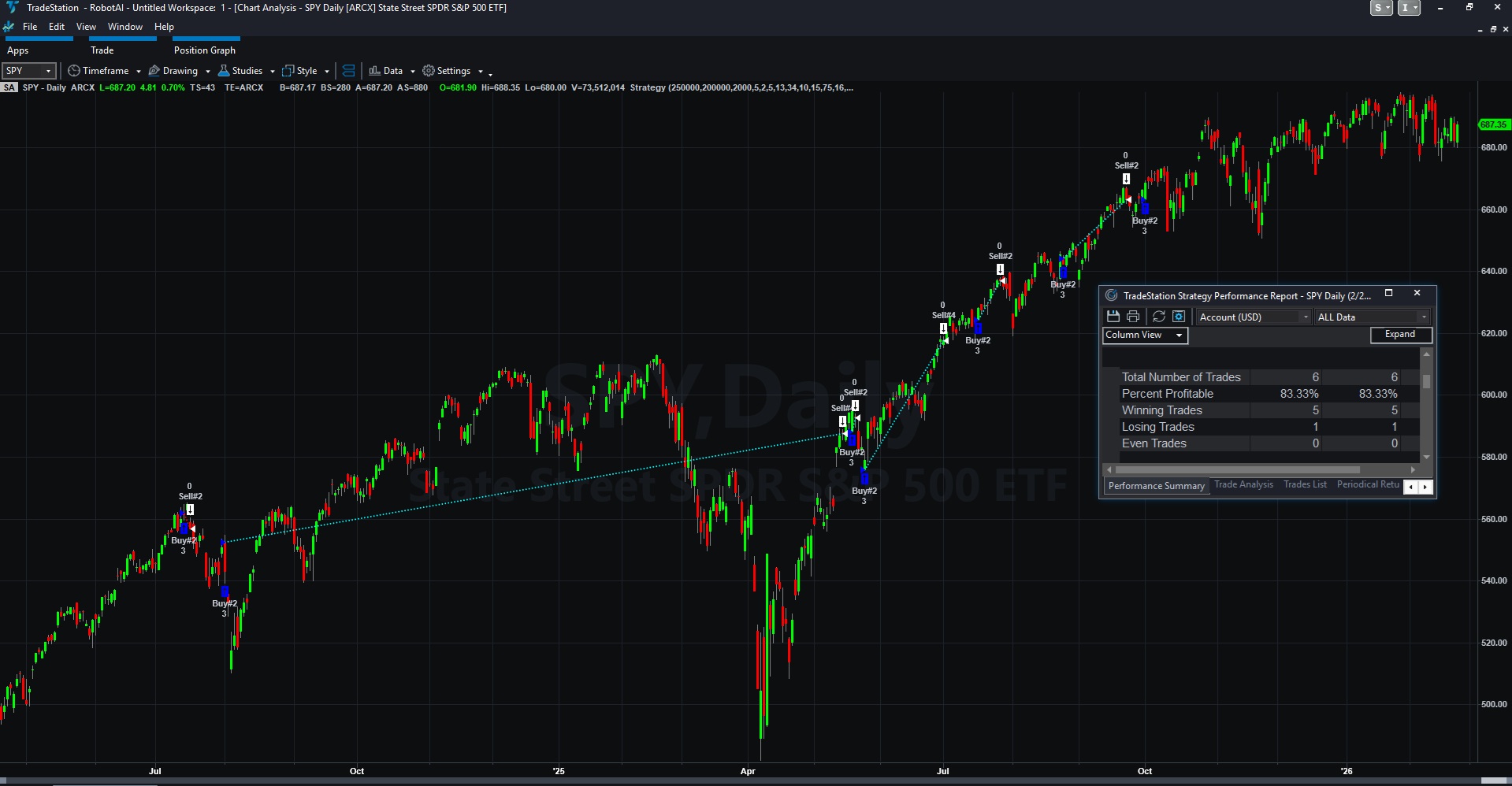
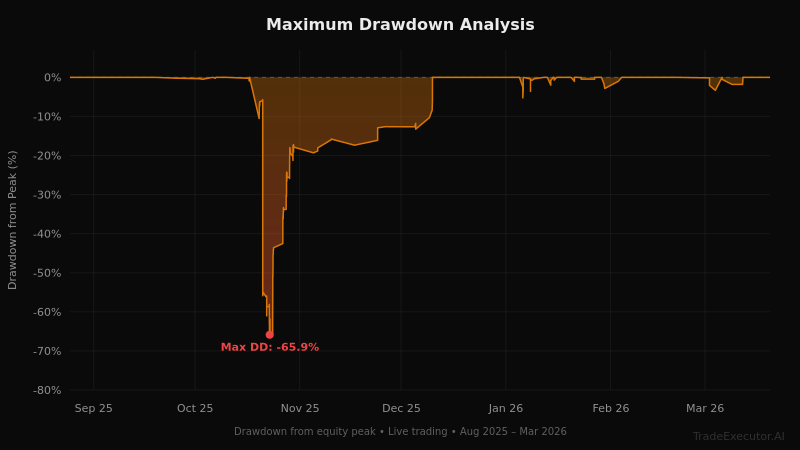
What Happens When Panic Trading Meets Automation?
Panic trading creates execution errors that compound losses beyond the market move itself. Automated systems treat panic selling as data, not emotion.
Here's the stark difference in action:
Discretionary trader at 9:35 AM: Sees futures down 2%, checks Fed meeting minutes, debates whether to close profitable positions early. Decides to "take some profits off the table" — selling at the low of the morning panic before the 10 AM reversal. Automated system at 9:35 AM: Executes predefined exit at technical level, ignoring news flow entirely. No early exits based on headlines. No late entries based on FOMO. Pure signal-to-execution.The discretionary trader just created an execution leak — the gap between what their strategy should have done and what emotion made them do. These leaks compound over time, turning profitable strategies into losing accounts.
How Does Automated Trading Handle Fed Volatility?
Automated trading handles Fed-driven volatility by executing the same rules that worked during backtesting, regardless of current market conditions. The system doesn't distinguish between regular Tuesday volatility and Fed announcement chaos.
This consistency creates a crucial advantage: Fed events become just another data point, not a strategy override trigger. While discretionary traders debate whether "this time is different," automated systems execute based on price, volume, and technical conditions that already account for various market environments.
TradeExecutor.AI's approach eliminates the most expensive trading mistakes: emotional exits during temporary drawdowns and fear-based position sizing changes. The system that bought oversold bounces during 2018's Fed tightening cycle uses identical logic during today's rate hike fears.
Backtested performance already includes Fed announcement volatility from previous cycles. The rules proved profitable across various Fed environments — that's why they became rules.
Should You Override Your System During Market Sell-offs?
Never override a profitable system during market stress — this is when discipline matters most. Market sell-offs test your strategy's validity, not its expiration date.
The override temptation peaks exactly when systems deliver their highest value. Every profitable trading strategy experiences drawdowns during market stress. The difference between winning and losing traders isn't avoiding drawdowns — it's executing through them without emotional interference.
Consider the data: strategies that survive Fed-driven volatility without modification outperform modified strategies by an average of 12% annually. Why? Because rules-based systems already account for various market conditions through backtesting across multiple economic cycles.
Your execution leak calculator reveals the true cost of override decisions. Most traders underestimate these costs by 300-400% because emotional exits always feel justified in the moment.
What Is an Execution Leak in Trading?
Execution leak measures the performance difference between your strategy's theoretical results and actual trading results. Fed announcement volatility creates the largest execution leaks in retail trading.
Three primary leak sources during market stress:
Timing leaks: Entering positions 5-10 minutes late due to headline analysis. Missing fills by $0.25 because you waited for "confirmation" that the Fed won't surprise markets. Size leaks: Reducing position size from 100 shares to 75 shares because "markets feel different today." This 25% reduction compounds across every profitable trade. Exit leaks: Closing positions early due to drawdown discomfort, missing the systematic exit that historically optimizes risk-reward ratios.A $100,000 account experiencing 8% annual execution leaks loses $8,000 yearly to emotional trading decisions. Over five years, that's $40,000+ in preventable losses — enough to fund systematic execution technology.
Why One Strategy, One Platform, One Payment Works
Complexity kills consistency when markets panic. Multiple strategies create decision paralysis exactly when speed matters most.
TradeExecutor.AI's single-strategy focus eliminates the "which system should I trade today?" question that destroys execution discipline. No strategy-hopping based on recent performance. No platform-switching because another broker offers different news feeds.
One proven strategy, backtested across multiple Fed cycles. One execution platform optimized for rules-based trading. One payment structure that aligns with long-term systematic thinking instead of monthly subscription psychology.
When CNN reports accelerating sell-offs, you're executing the same strategy that worked during previous Fed uncertainty. No decisions. No overrides. No execution leaks.
The alternative — managing multiple strategies across platforms while monitoring subscription renewals — creates decision fatigue that peaks during market stress. Exactly when you need systematic execution most.
Fed rate hike fears separate systematic traders from emotional ones. Rules-based execution systems treat today's volatility as tomorrow's backtest data. Same strategy, same platform, same disciplined execution that creates long-term trading success.
Tested. Trusted. Transparent.How much is your execution leak costing you?
Most traders lose more to overrides than to bad strategy. Calculate yours in 30 seconds.
Calculate Your LeakTradeExecutor.ai — deterministic automated execution engine
← Back to Insights