Software Stocks Tank, Oil Surges: Why Rules Beat Panic Every Time
Stocks retreated from record highs today as software shares slumped and oil jumped sharply, sending traders scrambling to adjust positions and second-guess their strategies. The sudden sector rotation exposed a harsh truth: when markets move fast, human emotion moves faster.
TL;DR: Rules-based execution systems maintain consistent strategy adherence during market volatility, while discretionary traders often abandon proven approaches when headlines create fear. Automated systems execute the same logical framework whether oil moves up 5% or down 5%, eliminating the execution leak between signal and action.This market whipsaw raises the fundamental question every trader faces: Does your strategy follow rules or hype? The difference determines whether you capitalize on volatility or become its victim. A rules-based strategy doesn't read headlines or feel fear — it simply executes predetermined logic based on price, volume, and technical conditions.
What Happens When Discretionary Traders See Energy Volatility?
Discretionary traders typically abandon their methodology when unexpected sector moves create portfolio stress. They see oil surge 5% overnight, watch their software positions bleed, and make reactive decisions that contradict their original thesis.
The pattern repeats predictably: morning gap analysis gets replaced by CNBC commentary, stop losses get moved "just this once," and position sizing rules get thrown out when fear takes over. A trader who spent weeks developing entry criteria will ignore those same criteria when energy volatility makes headlines.
This emotional override creates what professional traders call "execution leak" — the performance gap between what your strategy should produce and what your account actually shows. Every manual override, every "gut feeling" trade, every time you pause before hitting the buy button adds to this leak.
How Does Automated Trading Handle Market Volatility?
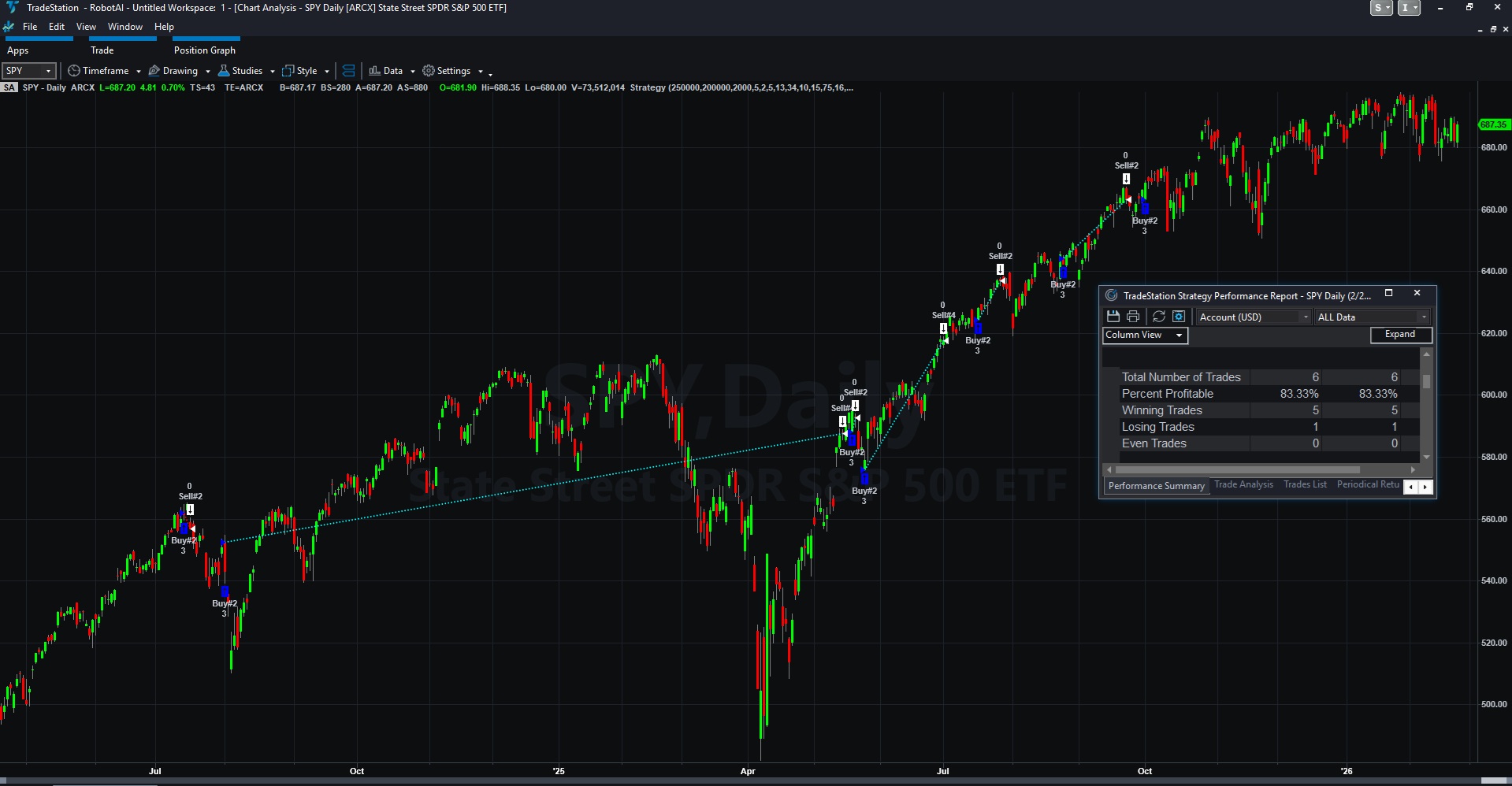
Automated trading systems execute the exact same logic whether markets are calm or chaotic. The system doesn't know that software stocks are "slumping" or that oil is "jumping" — it only recognizes price patterns, volume signatures, and technical setups that match predetermined criteria.
When energy volatility hits, the automated system runs its standard screening process: Does the setup match entry parameters? Is position sizing within risk limits? Do current market conditions align with backtested scenarios? The system answers these questions using data, not headlines.
TradeExecutor.AI exemplifies this approach by maintaining consistent execution standards regardless of market narrative. The system doesn't differentiate between a 5% oil move caused by geopolitical tension versus supply disruption — it responds to the technical setup that price action creates, nothing more.
Should You Change Your Strategy When Headlines Scream?
No — headline-driven strategy changes destroy the statistical edge that backtesting provides. Your strategy's effectiveness comes from consistent application across various market conditions, not from reactive adjustments to daily news flow.
Consider today's action: software stocks falling while energy surges represents normal sector rotation, not a fundamental market shift requiring strategy overhaul. Traders who modify their approach based on single-day moves essentially throw away months of testing and development work.
The most successful trading strategies are those applied consistently through multiple market cycles. A rules-based system that performed well during 2022's bear market, 2023's recovery, and 2024's momentum phases didn't achieve those results by changing course every time headlines shifted.
14 levels from Gut to Executor. We don't expect anyone to blindly jump in — do your due diligence. Submit symbols, track your predictions, and prove your discipline.
 Start Your Path →
What Is an Execution Leak in Trading?
Execution leak represents the performance difference between your strategy's backtested results and your actual trading outcomes. This leak occurs every time human judgment overrides systematic rules, creating a gap between theoretical and real returns.
Common sources of execution leak include: hesitating before entries when markets feel "scary," taking profits early when positions move favorably, avoiding trades that meet all criteria but feel "wrong," and adding to positions beyond predetermined size limits during winning streaks.
Professional traders measure execution leak by comparing their actual fills, timing, and position sizes against their strategy's specifications. Even small deviations compound over time, often explaining why promising backtests don't translate to profitable live trading.
Why Does TradeStation Need Automated Execution?
TradeStation provides sophisticated analysis tools and strategy development capabilities, but still requires human intervention for trade execution. This manual step introduces the same emotional variables that plague traders on any platform.
TradeExecutor.AI eliminates this intervention point by automatically executing TradeStation-based signals according to predetermined rules. The system bridges the gap between TradeStation's analytical power and consistent trade implementation, removing human emotion from every execution decision.
This automation becomes crucial during volatile sessions like today's market action. While discretionary traders debate whether software weakness represents a buying opportunity or trend change, automated systems simply execute their programmed logic without hesitation or second-guessing.
How Do You Measure Strategy Consistency?
Strategy consistency measures how closely your actual trading matches your systematic rules across different market conditions. Perfect consistency means identical execution whether markets gap up, gap down, trend sideways, or experience high volatility.
Track consistency by recording: percentage of qualified setups actually traded, average time between signal generation and order placement, deviation between planned and actual position sizes, and frequency of manual overrides or "gut feeling" trades.
Most discretionary traders discover their consistency drops dramatically during volatile periods. The same trader who executes flawlessly during calm markets starts second-guessing signals when headlines create uncertainty. Automated systems maintain 100% consistency regardless of market conditions or news flow.
Does One Platform Really Matter for Trading Success?
Platform specialization allows deeper strategy optimization and more reliable execution than spreading across multiple systems. TradeExecutor.AI focuses exclusively on TradeStation because this concentration enables thorough testing, precise implementation, and consistent results.
Multi-platform strategies often suffer from execution inconsistencies, data feed variations, and order management complications that introduce unnecessary variables. A single-platform approach eliminates these complications while allowing maximum optimization for that specific environment.
TradeStation's infrastructure supports the complex order types and risk management features that sophisticated automated strategies require. Rather than adapting to multiple platforms' limitations, focusing on one platform maximizes that system's capabilities.
---
Today's market volatility will pass, but the difference between rules-based and emotional trading remains constant. While headlines shift and sectors rotate, systematic execution provides the consistency that compounds into long-term success.
Tested. Trusted. Transparent.
How much is your execution leak costing you?
Most traders lose more to overrides than to bad strategy. Calculate yours in 30 seconds.
Calculate Your LeakTradeExecutor.ai — deterministic automated execution engine
← Back to Insights